If your septic alarm is going off right now, take a breath. The sound is alarming on purpose, but it does not mean sewage is about to flood your home. In most cases it means the liquid level in your pump tank has risen higher than it should be, and the system is warning you early so you have time to act. The alarm is set deliberately low, which means the tank usually still has roughly 24 to 48 hours of reserve storage at normal use when it trips. That window is your breathing room. It gives you time to silence the buzzer, cut back on water, check a few simple things, and decide whether you need a professional. This guide walks you through exactly what to do, in the right order, so you can handle the situation calmly and avoid turning a small problem into a costly backup.
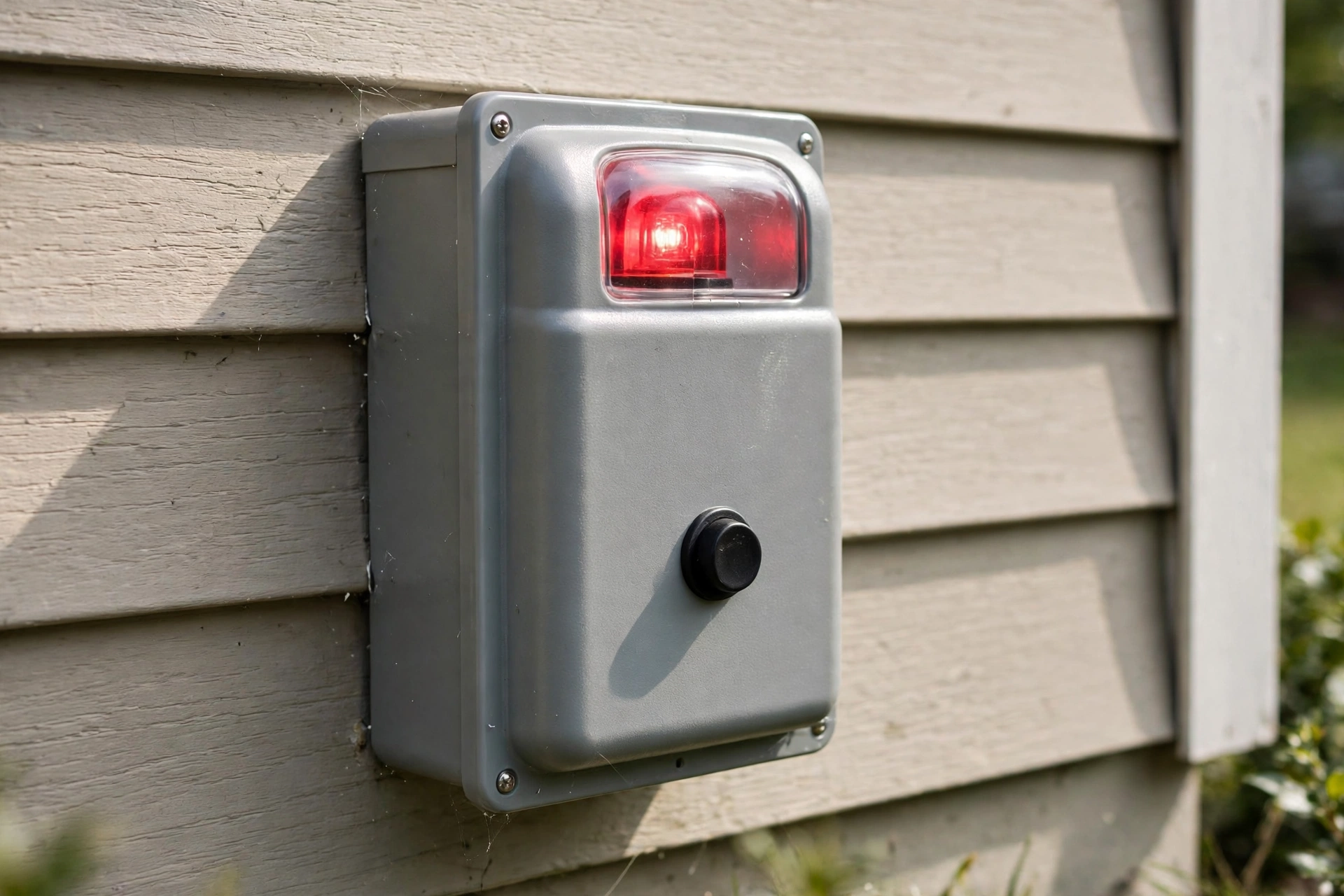
Most homeowners hear their septic alarm for the first time at the worst possible moment. It might be late at night, during a holiday weekend, or while guests are staying over. The buzzer is loud, the red light is glowing, and the first thought is usually that something has gone badly wrong underground. That reaction is completely understandable. A septic system is mostly invisible, and when a part of it starts demanding attention, it is hard to know how serious the problem really is. The good news is that a septic alarm is one of the most helpful features your system has. It exists to catch trouble before it becomes a backup inside your house.
What a Septic Alarm Actually Means
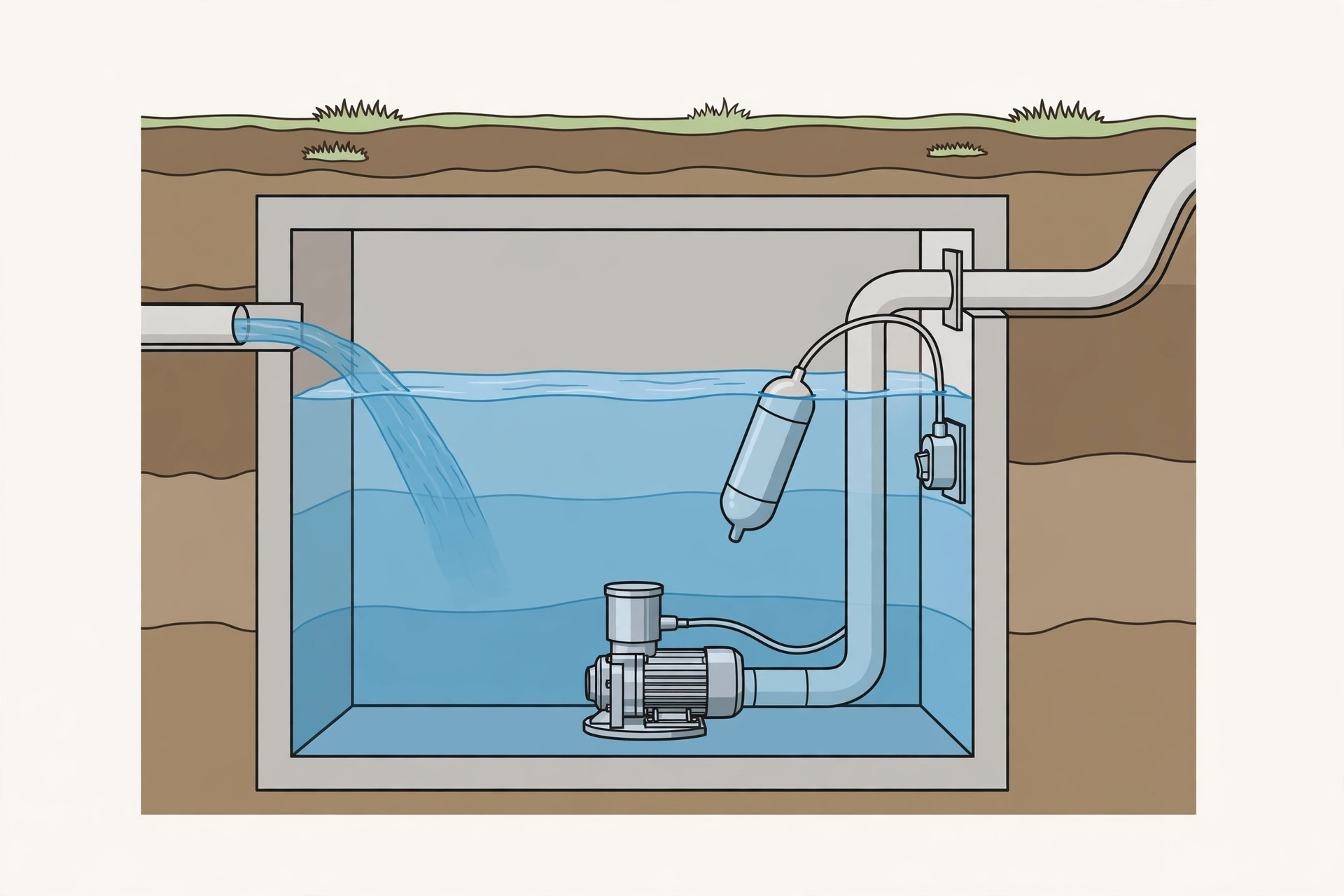
A septic alarm is a high water alarm. It trips when the liquid level in the pump tank climbs above the normal operating range. Not every home with a septic system has an alarm. If yours does, it is usually because your system includes a pump tank. In a gravity system, wastewater flows downhill from the tank to the drain field on its own. In a pumped system, an effluent pump moves liquid from the pump tank up or across to the drain field. The alarm watches the liquid level in that pump tank. When the level rises above the point where the pump should have already moved the liquid on, a float switch triggers the alarm. The buzzer sounds, the red light comes on, and the system is telling you that the pump is not keeping up.
Under normal conditions, wastewater flows from your home into the septic tank, solids settle, and liquid flows into the pump tank. A float switch in the pump tank rises with the liquid and turns the pump on at a set level. The pump moves the liquid to the drain field, the level drops, and the float switch turns the pump off again. This cycle repeats quietly all day without you ever noticing it. The alarm float sits higher than the pump float. It only trips when the liquid keeps rising past the point where the pump should have already taken care of it. That is why the alarm is such a useful warning. By the time it sounds, something in that cycle has broken down, but the tank still has reserve space built in.
That reserve space is the reason the alarm is set low. When the alarm trips, you still have roughly 24 to 48 hours of storage at normal water use before the tank could overflow back toward your home. That figure assumes normal use, so it shrinks quickly if your household keeps running showers, laundry, and dishwashers as usual. It also assumes the drain field is still working. Even so, the design gives you a real window to respond. You do not need to panic, and you do not need to stop using every drop of water in the house. You do need to act promptly, cut back on water use, and work through the checks in this guide.
What to Do First When the Alarm Goes Off
When the alarm sounds, the order of your actions matters. The steps below are listed in the order that solves the most problems with the least effort and cost. Work through them one at a time. Many homeowners find that the alarm clears after the first few steps, and they never need to call anyone. If it does not clear, the later steps in this guide will help you describe the problem clearly to a professional, which saves time and money when they arrive.
Step 1: Silence the Buzzer
Go to the control panel and press the silence or mute button. This stops the noise so you can think clearly, and it does not affect the system itself. The red light will stay on, and that is exactly what you want. The light is the real signal. As long as it is glowing, the water level is still high. When it goes out, the level has dropped back to normal. Do not try to silence the alarm by turning off power to the panel or the pump. Cutting power makes the problem worse, because the pump needs power to clear the backlog. Press the button, leave the power on, and move on to the next step.
Step 2: Cut Your Water Use to Essentials
The single most helpful thing you can do right after silencing the buzzer is to stop adding water to the system. Every gallon that goes down a drain right now adds to the level in the pump tank, and the pump is already behind. Switch to essential use only. That means flushing toilets when needed, washing hands, and short showers if you must. Hold off on laundry and the dishwasher. Postpone long showers and baths. Ask everyone in the house to keep water use to a minimum until the red light goes out. If you have guests staying over, explain briefly what is happening and ask them to hold off on showers and laundry for a few hours. Most people understand, and a short delay is far better than a sewage backup.
Step 3: Check the Breaker and GFCI
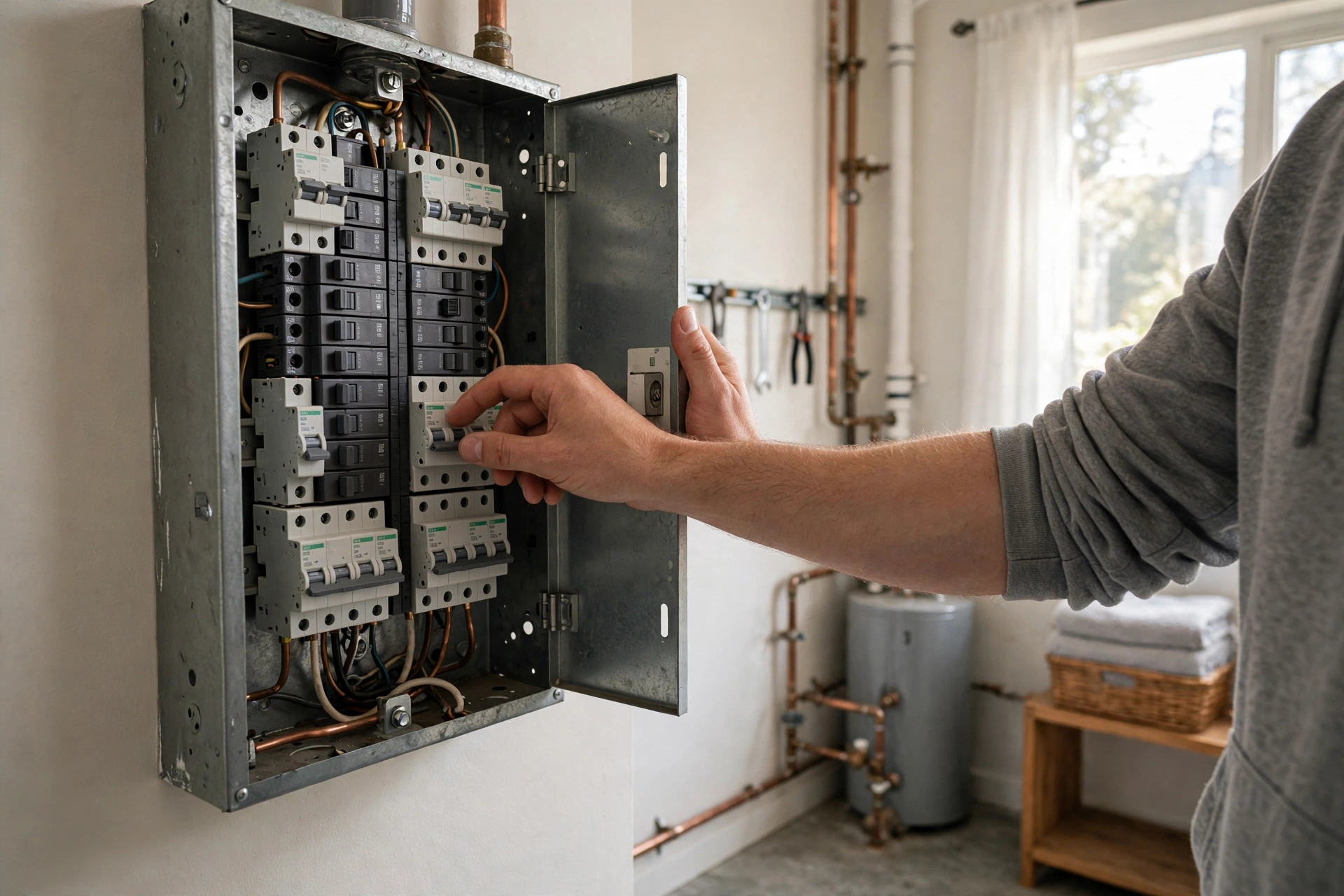
A tripped breaker is the most common cause of a septic alarm, and it costs nothing to fix. Go to your main electrical panel and look for the breaker that feeds the septic pump. It is often labelled septic, pump, or effluent pump. If the breaker has tripped, it will sit in a middle position, neither fully on nor fully off. Push it firmly to the off position first, then flip it back to on. You should feel it click into place. Then go back and check the alarm panel. If the pump starts running, you may hear a low hum from the direction of the tank, and the red light should go out once the water level drops.
Also check any GFCI outlet that feeds the pump. Some systems plug into a GFCI protected outlet, often in a garage, basement, or outdoor enclosure. If the GFCI has tripped, its reset button will be popped out. Press it to reset. Like the breaker, a GFCI can trip for a simple reason, such as a brief power surge or moisture, and resetting it once is perfectly reasonable. The key word is once. If the breaker or GFCI trips again after you reset it, stop resetting it and call a professional. A breaker that keeps tripping is telling you there is a real electrical fault, possibly a failing pump motor or damaged wiring, and repeatedly forcing power through it can make the damage worse and create a safety risk. If you are not comfortable working around an electrical panel, or if you are unsure which breaker feeds the pump, do not guess. Call a professional.
Step 4: Check That the Pump and Float Cords Are Plugged In
This step sounds almost too simple, but it solves more alarms than most people expect. The pump and the float switch each have a cord that plugs into the control panel or an outlet near the tank. These cords can work loose over time, especially after yard work, mowing, or a visit from a service technician. Vibration from the pump itself can also loosen a plug gradually. Find the panel or junction box where the cords connect and check that each one is pushed in firmly. Do not pull cords out and plug them back in repeatedly. Just press each plug in gently to confirm it is seated. If a plug was loose and you reseat it, the pump may start right away.
Step 5: Give It 8 to 12 Hours of Low Water Use
If the breaker was tripped and you reset it, or if the cause was simply a burst of heavy water use, the pump now needs time to clear the backlog. Keep your water use low and give the system 8 to 12 hours. During that time, check the red light every couple of hours. A working pump clears the excess water steadily, and the light should go out on its own once the level drops back to normal.
How Long Do You Really Have?
The 24 to 48 hour reserve window is a useful guide, but it is not a guarantee. It describes a typical system at normal water use, with a pump that has stopped but a drain field that is still working. Your actual window depends on several things. The size of your pump tank matters. A larger tank holds more reserve. The number of people in your home matters. A household of six uses far more water than a household of two, and the reserve drains faster. The cause of the alarm matters too. If heavy rain has saturated your drain field, the pump may be running fine but have nowhere to send the water, and the level will keep rising regardless.
Common Causes of a Septic Alarm, Cheapest First
Once you have worked through the first steps, it helps to understand what is most likely causing the problem. The causes below are listed from the cheapest and simplest to the most expensive and serious. This order reflects what septic technicians see most often in the field. Starting with the cheapest cause first saves you money, because many alarms turn out to have a simple explanation. It also helps you have a clear conversation with a technician if you do need one. When you can say that you already checked the breaker and the cords, the technician can move straight to testing the float switch and the pump instead of starting from scratch.
Tripped Breaker or GFCI
A tripped breaker or GFCI is the most common cause of a septic alarm, and it is free to fix. Breakers trip for many small reasons. A brief power surge, a storm, or a momentary overload can be enough. GFCI outlets are designed to trip quickly when they sense a ground fault, and they can be sensitive to moisture. In a damp outdoor enclosure, a GFCI may trip after heavy rain even when nothing is actually wrong with the pump. That is why resetting once is the right move. If the breaker stays on and the pump runs, the problem is solved. If it trips again, the pump motor or the wiring may be failing, and the breaker is doing its job by cutting power before something worse happens. Never bypass a breaker or replace it with a larger one to stop it tripping. That defeats a safety device and can cause a fire.
Stuck or Failed Float Switch
The float switch is the small device that tells the pump when to turn on and off. It floats on the surface of the liquid in the pump tank, rising as the level rises and falling as it drops. When it reaches the on position, it closes a switch and starts the pump. When the level falls, it opens the switch and stops the pump. It is a simple mechanism, and like any moving part it can fail. A float can get stuck against the side of the tank, tangled in its own cord, or coated with grease and solids that stop it moving freely. The switch inside can also wear out over time, especially in a system that cycles on and off many times a day.
When the float switch fails, the pump never gets the signal to start, so the liquid keeps rising until the alarm float trips. This is one of the most common genuine faults behind a septic alarm. Replacing a float switch typically costs between 150 and 400 dollars, including parts and labour, though the exact figure depends on your area and how easy the tank is to access. That makes it a relatively affordable repair, and it is one that a septic technician can usually complete in a single visit. You should not try to fix a float switch yourself. Reaching into a pump tank means opening a lid and working over wastewater, and the gases inside a septic tank can be poisonous. A technician has the tools and the training to test the float switch safely and replace it without entering the tank.
Failed Pump
If the float switch is working and the breaker is fine, but the pump still does not run, the pump itself may have failed. Effluent pumps work hard. They sit submerged in wastewater, cycle on and off many times a day, and push liquid uphill to the drain field. Over time, the motor wears out, the impeller can become clogged or damaged, and seals can fail and let water into the motor. Pump failure is more common on older systems, and it is also more likely if the system has been neglected or if solids have been reaching the pump tank.
Replacing a failed pump typically costs between 400 and 1,200 dollars, depending on the size and type of pump your system needs and the labour involved in your area. That is a significant repair, but it is a normal part of owning a pumped septic system. Pumps are wear items, and most will need replacing at some point in the life of the system. A technician can confirm a pump failure by testing the motor directly and checking whether it draws power when it should be running. If the pump is replaced, ask the technician to check the pump tank for solids and sludge while the pump is out. If solids have been reaching the pump tank, the main septic tank may need pumping or a filter may need attention.
Control Panel Problems
The control panel is the brain of a pumped system. It receives the signal from the float switch, sends power to the pump, and drives the alarm. Relays wear out, connections corrode, and circuit boards can be damaged by power surges or moisture. A panel that has water inside it, or one that has been exposed to the weather for years with a cracked cover, is especially vulnerable. Control panel repair typically costs between 300 and 800 dollars, depending on what has failed and whether parts need to be replaced or the whole panel needs to be swapped. Panel problems can mimic other faults, so diagnosis matters. A technician can test the panel with a meter and work out whether the problem is in the panel, the float, or the pump. If you are told the panel needs replacing, ask whether the new panel includes surge protection.
Heavy Rain, Heavy Water Use, and Drain Field Trouble
Sometimes the pump and the panel are working perfectly, and the problem is at the other end of the system. After days of heavy rain, the soil in the drain field can become saturated. When the soil is already full of water, it cannot absorb more, and the pump has nowhere to send the liquid. The level in the pump tank stays high and the alarm trips. This is common in areas with heavy clay soil, a high water table, or a drain field in a low lying part of the yard. You can learn more in our guide on whether heavy rain can cause a septic tank backup. Rain related alarms usually clear on their own once the rain stops and the soil has time to drain. Keep your water use low for a day or two after the storm, and do not try to pump the tank as a quick fix during a storm.
A blocked drain field is the most serious cause on this list. The drain field is where treated liquid soaks into the soil. Over time, it can become clogged by a buildup of solids or damage from vehicles, tree roots, or heavy construction. When the drain field cannot absorb water at the normal rate, liquid backs up into the pump tank and the alarm trips. Unlike a rain related alarm, a blocked drain field does not clear on its own when the weather improves. Warning signs include wet spots or standing water over the drain field, sewage smells in the yard, and drains that are slow throughout the house. If you see standing water over your septic drain field, do not drive over the area, do not try to dig it up, and call a professional. If your toilets are also flushing slowly, that combination points to a system wide problem rather than a single fixture, as explained in our guide to toilets flushing slowly all at once.
Not every alarm means the water level is too high. Low water levels caused by tank leaks or float malfunctions can also trigger the alarm, which surprises many homeowners. A leak in the tank can let liquid escape faster than it should, and a float switch that has shifted or failed can send a false signal to the panel. In these cases the alarm sounds even though the tank is not actually full. A technician can measure the actual water level, test each float, and check the tank for leaks, rather than guessing from the alarm alone. An alarm that trips for no clear reason is still worth investigating, because the day a real problem arrives you need to be able to trust it.
When to Call a Professional
Many septic alarms resolve with the steps in this guide, and that is exactly how the system is designed to work. But some alarms are telling you that a part has failed or that the drain field is in trouble, and those need a professional. Knowing where that line falls saves you from two mistakes. The first is calling for emergency help when a simple reset would have solved it. The second, and more costly, is waiting too long when a pump has failed and sewage is on its way back into your home. For a fuller picture of the warning signs that should never wait, read our guide on when to call a septic professional immediately.
Call a professional if the red light stays on more than 10 to 15 hours after you have checked the breaker and cut back on water use. That is the clearest sign that the simple causes have been ruled out and something in the system needs repair. Call sooner if the alarm returns within 24 hours of going out. A recurring alarm means the underlying problem was never fixed, even if the light went out for a while. The pump may be running intermittently, the float may be sticking, or the drain field may be struggling to keep up. Each return trip of the alarm is a warning that the problem is getting worse.
Call immediately, without waiting, if you notice sewage backing up into a toilet, shower, bathtub, or floor drain. Call immediately if you smell sewage inside the house, especially near drains or in the basement. Call immediately if you see wet spots, standing water, or unusually lush green grass over the drain field, or if sewage is surfacing in the yard. These are signs that wastewater is no longer contained in the system, and they are a health hazard. Keep children and pets away from any surfacing sewage, avoid contact with it, and stop using water as much as possible until help arrives. When you call, be ready to describe what you have already done. Tell the technician that you silenced the alarm, cut back on water, checked the breaker and GFCI, and checked the cords. Tell them how long the red light has been on, whether it went out and came back, and whether you have noticed any backup, smell, or wet spots. This information helps the technician bring the right parts and reach a diagnosis faster, which often means a shorter visit and a lower bill.
Safety: What Not to Do
A septic alarm can make people want to take the lid off the tank and look inside. Do not do this. Never open the tank or climb into the chamber. The gases inside a septic tank can be poisonous, and the air above the liquid can be low in oxygen. People have been seriously injured by entering septic tanks, sometimes within seconds of leaning in to look. Even standing over an open tank and breathing the air can be dangerous. Leave any work that involves opening the tank to a trained professional with the right equipment.
Aerobic Treatment Units Need a Different First Call
If your home uses an aerobic treatment unit, call your maintenance provider first. Many aerobic systems come with a required maintenance agreement, and the agreement often says the owner must contact the provider before anyone else works on the unit. Your provider knows your specific system and may be able to diagnose the problem over the phone. Keep their number somewhere easy to find, such as in your phone.
How to Prevent the Alarm From Going Off Again
Once the alarm is resolved, a few simple habits make it far less likely to return. The most important is regular pumping and inspections. A septic tank should be pumped on a schedule that fits your household size and tank size, and a professional inspection can catch a worn float switch, a tired pump, or a panel problem before it becomes an alarm at midnight. Spread out your laundry loads instead of running several in one day, and fix running toilets and leaks promptly. A running toilet can send a surprising amount of water into the system around the clock, and it is one of the most common causes of an overloaded pump tank. Keep heavy rainwater away from the drain field by making sure gutters and downspouts direct water elsewhere, and never drive or park over the drain field. For broader guidance on caring for your system, the EPA septic systems page is a reliable starting point.
The Bottom Line
A septic alarm going off is stressful, but it is also your system doing its job. It is telling you early, while you still have time, that the pump tank is too full and something needs attention. Silence the buzzer, cut your water use to essentials, check the breaker and GFCI, check that the cords are firmly plugged in, and give the system 8 to 12 hours of low water use. In many cases that is all it takes. If the red light stays on more than 10 to 15 hours, if the alarm returns within a day, or if you notice sewage backup, sewage smell, or wet spots over the drain field, call a professional. Never open the tank, and never work on the panel wiring yourself. Handle the alarm calmly, work through the steps in order, and keep a note of what happened so the next alarm, if there is one, is easier to solve.
Greetings Glows Team is dedicated to creating meaningful, helpful, and thoughtfully curated content for everyday inspiration and special moments.
What We Focus On:
Well-researched and reader-friendly articles.
Meaningful greetings, blessings, prayers, and inspirational messages.
Carefully curated ideas for everyday life and special occasions.
Clear, helpful, and engaging information.
Consistent quality and attention to detail in every publication.
Our goal is simple: to make every visit worthwhile with content that inspires, informs, and brings a little more positivity to your day.
1 thought on “Septic Alarm Going Off? What to Do Right Now”