You flush the toilet, walk away, and a few seconds later you hear it from the bathroom. A low gurgle rises from the bathtub drain, sometimes followed by a bubble or two in the standing water. Nothing has overflowed. The tub still drains. Yet the sound is hard to ignore, because it feels like something in the house is pushing back.
When a bathtub gurgles when toilet flushes septic systems are often struggling to move air and water the way they should. A flush sends a large rush of water down a shared drain pipe. If air cannot move freely ahead of that water, or if wastewater cannot move freely away from the house, pressure builds in the pipes. The bathtub is often where that pressure escapes, because its drain sits low and close to the toilet in many homes. The sound itself is not the problem. It is a signal, and learning to read it can help you act early, before a slow drain turns into a backup.

Why a Bathtub Gurgles When Toilet Flushes Septic Systems
To understand the gurgle, it helps to picture how your bathroom drains work together. Your toilet, bathtub, and sink do not each have a separate route out of the house. They join a shared drain system, and that system needs air as well as water to work properly. Every time water flows down a drain, air must take its place. Vent pipes, usually running up through the roof, let that air in and let sewer gases out. Traps, the curved sections of pipe under each fixture, hold a small amount of water that seals out those gases.
A toilet flush is the biggest single rush of water in most bathrooms. It moves quickly and in a large volume, and it pushes a wave of air ahead of it while pulling air behind it. In a healthy system, the vent supplies that air, the water flows smoothly toward the septic tank, and the traps stay full. You hear nothing unusual. When something interrupts that balance, the system looks for air wherever it can find it. The bathtub trap is a common source, because the tub is often near the toilet and its drain is low. Air bubbles up through the water sitting in the trap, and you hear that as a gurgle.
Is It Always the Septic Tank
Not always. The simplest way to think about it is to ask how many fixtures are affected. If only the bathtub gurgles, and only when the toilet in the same bathroom flushes, the cause is more likely to be close to that bathroom. A vent problem, a partial clog in the shared bathroom drain, or a trap that is losing its water seal are all plausible. If several fixtures gurgle, drain slowly, or bubble at the same time, the cause is more likely to be further downstream, where all the drains join together. That points toward the main line, the tank, or the drain field.
A Full or Nearly Full Septic Tank
A full tank is the cause many septic homeowners fear first, and it is a common one. A septic tank is not an empty holding tank. It always holds liquid, with solids settling at the bottom and a layer of floating scum at the top. Between pumpings, the solid layer grows. If it grows high enough to block the inlet or outlet, wastewater entering the tank has less room to move, and air in the drain pipes has less room to escape.
When you flush, water rushes toward a tank that cannot accept it at the normal rate. Some of that water slows or backs up slightly in the main drain. Air trapped in the pipe is pushed back toward the house, and the bathtub drain, sitting low and nearby, is often where it comes out. The gurgle may start soon after the flush and may be joined by slow draining in other fixtures, a toilet that needs a second flush, or a faint sewage smell near a drain.
Pumping schedules vary with household size, tank size, and water use, but the general guidance from the United States Environmental Protection Agency is to have a typical household tank inspected and pumped every three to five years. You can read the basic care guidance on the EPA septic homepage if you want a plain starting point for how these systems are meant to be maintained. A full tank does not always mean the whole system has failed. In many cases pumping restores normal flow and the gurgling stops. If the tank was pumped recently and the sound continues, the cause lies elsewhere, and pumping again will not fix it. Keep your pumping records in one place, with dates, so you can answer that question quickly when it matters.
A Blocked Plumbing Vent
The vent is the part of the system most homeowners never see, and it is one of the most common causes of a gurgling tub. Vent pipes run from your drains up through the roof. Their job is simple and essential. They let air into the drain system so water can flow freely, and they let gases escape safely above the roof. When a vent is partly or fully blocked, air cannot enter fast enough to keep up with a toilet flush.
Picture the flush again. A large volume of water rushes down the main drain and creates a pull behind it, like water running out of a bottle. In a clear system, the vent lets air in to fill that space. In a blocked system, the pull has to come from somewhere else, so it draws on the nearest trap. The bathtub trap gives up some of its water, air rushes through, and you hear a gurgle. Afterward the trap may hold less water than it should, which can let odors into the bathroom until the tub is used again and the trap refills.
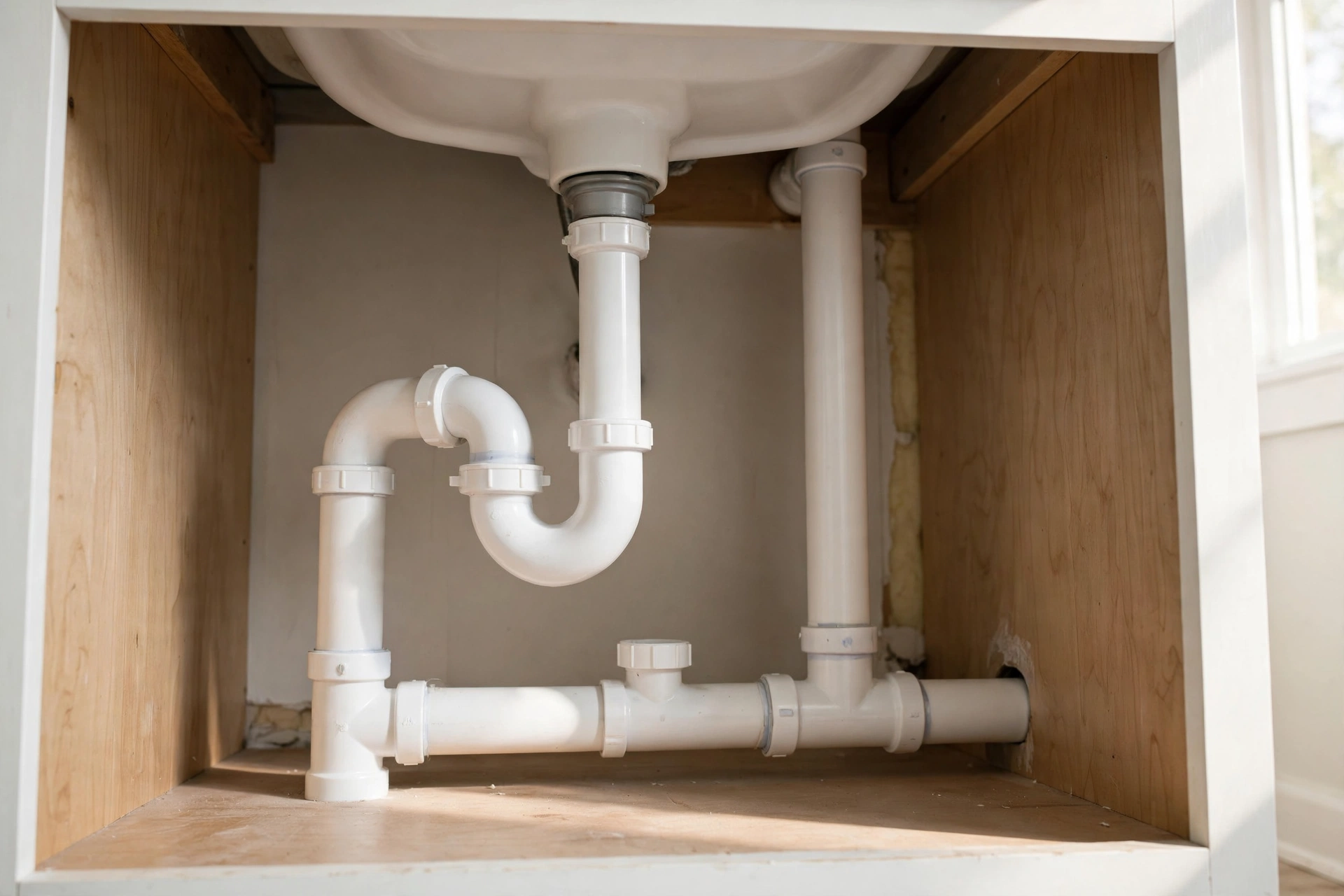
Vents block for ordinary reasons. Leaves and debris can collect at the opening. Birds and small animals sometimes nest in or near the top of the pipe. In cold weather, frost or ice can narrow the opening. In some homes, a vent was built too small or with too many bends, so it struggles even without a blockage. A vent problem often shows up as a sound in one bathroom, while the rest of the house seems fine. Do not climb onto a steep or wet roof to check a vent yourself, and do not push a garden hose or a long tool down the vent without knowing what is below. Water forced down a blocked vent can come back up through a fixture, and a tool can damage a pipe joint. A visual check from the ground is safe. Anything beyond that is best left to someone with the right ladder, safety equipment, and experience.
A Clog in the Main Drain Line
The main drain line carries all household wastewater from the house to the septic tank. When it narrows or blocks, water cannot leave the house at the normal rate. A toilet flush adds a sudden load to a pipe that is already struggling, and the extra water and air have to go somewhere. Often they push back through the lowest nearby fixture, which is the bathtub.
Main line clogs build up in different ways. Grease and soap can coat the inside of a pipe over time. Wipes, paper towels, sanitary products, and other items that do not break down can catch on a rough joint or a root and start a blockage. Tree roots can enter an older pipe through a small crack or joint and grow into a mat that traps solids. In some homes, a section of pipe has settled or sagged, creating a low spot where solids collect.
A main line clog often gives more warning than a single gurgle. You may notice that several fixtures drain slowly at once, that the toilet water level rises and falls, or that running the washing machine makes a toilet bubble. The tub may gurgle when any large water use happens, not just when one toilet flushes. If water ever rises in the tub when a toilet is flushed, stop using water in the house and treat it as urgent, because that is a sign the line is badly restricted and a backup may follow. Clearing a main line is not a job for a household plunger or a chemical drain cleaner, especially in a septic home. A professional can use a camera to find the blockage, then clear it with the right equipment and check whether the pipe itself is damaged.
A Saturated or Failing Drain Field
After wastewater leaves the tank, it flows to the drain field, where it soaks into the soil for final treatment. The soil can only absorb so much water at a time. When the drain field is saturated, whether from heavy rain, overuse, a clogged distribution pipe, or soil that has lost its ability to absorb, effluent cannot leave the tank as fast as new water arrives. The tank stays high, the main drain backs up slightly, and air is pushed back toward the house.
Drain field trouble often follows a pattern. The gurgling may get worse after rain, after guests use extra water, or after several loads of laundry in a day. The yard may show clues too, such as soggy ground, standing water, or patches of grass that grow faster and greener over the drain field than elsewhere. A sewage smell outdoors, especially near the tank or field, is another warning sign. Inside, the symptoms look much like a full tank, which is why a professional will check tank levels, look at the field, and sometimes measure how the system handles water before deciding on a fix.
A Clogged Effluent Filter or a Local Tub Problem
Not every cause sits in the tank or the main line. Some are smaller and closer to home, and they are worth ruling out before you assume the worst. Many modern septic tanks have an effluent filter at the outlet. Its job is to catch solids before they reach the drain field. When that filter clogs with scum or solids, effluent cannot leave the tank normally. The result looks like a full tank, with slow drains and gurgling across the house, even though the tank itself may not be overdue for pumping. A professional can clean or replace the filter during a routine pumping visit, and that simple step sometimes ends the noise.
A local problem in the bathroom can also produce a gurgle that only follows one toilet. Hair and soap can build up in the bathtub drain and trap air behind a partial clog. When the toilet flushes, the sudden pressure change disturbs that trapped air, and the tub drain gurgles even though the rest of the house is fine. A trap that has dried out because a tub is rarely used can do the same thing, because there is too little water in the trap to keep air and odors out. Running water in the tub for a minute will refill a dry trap, and if the gurgle stops after that, the trap was likely part of the story.
How to Figure Out Which Cause You Have
You do not need to open a septic tank or climb on a roof to narrow this down. A few calm observations, done over a day or two, can give you and a professional a much clearer picture. Start by writing down when the gurgle happens. Note the time, which toilet was flushed, whether the tub was in use, and whether any other fixture was running. Patterns are easier to see on paper than from memory, especially when the sound is intermittent.
Next, test one fixture at a time. Flush the toilet in the affected bathroom and listen at the tub. Then run the sink in the same bathroom and listen again. Then run water in a different bathroom or the kitchen. If only the first toilet triggers the sound, the cause is likely near that bathroom. If water use anywhere in the house triggers it, the cause is likely further downstream. If the washing machine is the strongest trigger, that points toward the main line or the tank, because a washing machine sends a large volume of water through the system in a short time.
Watch the water, not just the sound. Does the tub drain normally after a shower, or does it sit and drain slowly. Does the toilet water level rise after a flush and then settle, or does it stay high. Does the water in the tub move or bubble when the toilet flushes, even when no one is using the tub. Movement in the tub water is a stronger sign of pressure trouble than sound alone, and rising water is a sign to stop testing and get help. Check the simple things around the house too. Look at the yard over the tank and drain field for wet spots or odors, and think about when the tank was last pumped. If you notice toilets flushing slowly all at once, that detail matters, because slow flushing across the house points away from one bathroom and toward the shared drain or the septic system. Do not run repeated flush tests if water is rising, if sewage is coming up, or if you smell a strong sewage odor indoors.
What to Do Right Now
If the gurgle is new, brief, and not joined by rising water or a backup, you can take a few sensible steps while you watch it. Reduce water use for the rest of the day. Space out showers, laundry, and dishwasher loads instead of running them back to back. Avoid flushing anything other than toilet paper and human waste. Run water in any tub or sink that is rarely used, to make sure its trap is full. These steps will not fix a blockage or a full tank, but they reduce the load on the system and give you time to observe without making things worse.
Make a note of your septic pumping history. If you do not know when the tank was last pumped, that is useful information in itself, and a professional will want to know. If the tank is overdue, book a pumping and inspection rather than waiting to see if the sound goes away on its own. If the tank was pumped recently, tell the professional that too, so they can focus on the vent, the main line, or the filter instead of repeating a pump that has already been done. If the sound continues for more than a day or two, gets louder, spreads to other fixtures, or is joined by slow drains or odors, treat it as a problem to solve, not a quirk to live with. For a fuller picture of the sounds that can warn of a full tank, it helps to read about gurgling sounds in pipes and what a full septic tank can mean, so you can compare what you are hearing with the other signs that often appear alongside it.
What Not to Do When the Tub Gurgles
It is tempting to reach for a quick fix when a drain makes a strange sound, but a few common responses can make a septic problem worse or create a safety risk. Do not keep flushing and running water to test the sound over and over. Each flush sends more water into a system that may already be struggling, and if the line is badly blocked, that water can come back up through the lowest fixture.
Do not use a chemical drain cleaner as a first step. These products are harsh, they rarely clear a main line or a septic problem, and they can kill the helpful bacteria that break down waste in the tank. They can also sit in a pipe and splash back when a professional opens it. If a drain is slow because of hair near the surface, remove the hair by hand. If the problem is deeper, a mechanical clean or a professional inspection is the safer route.
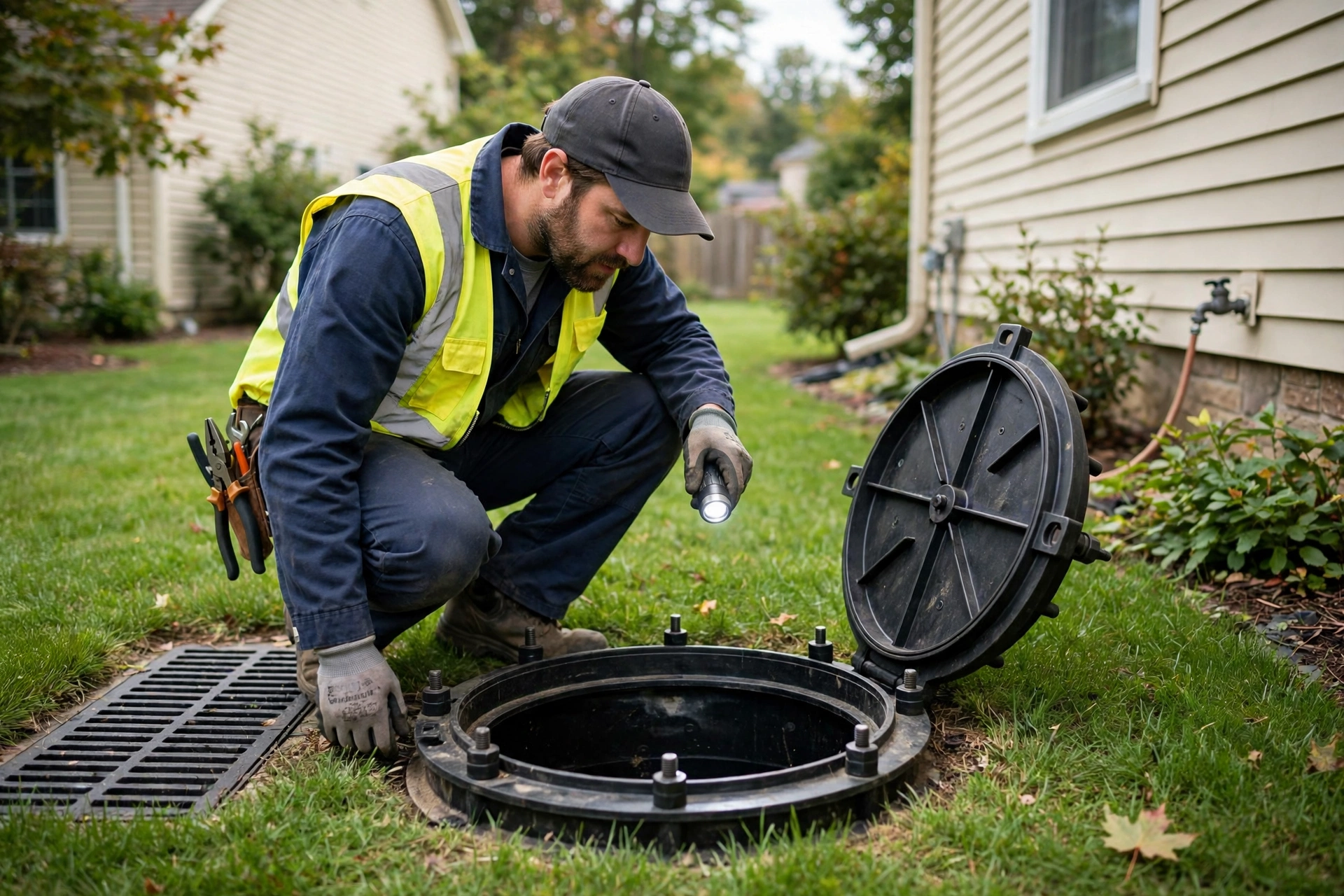
Do not open a septic tank lid yourself. Tanks hold gases that can be harmful in a confined space, and a fall into an open tank can be fatal. Lids are heavy, fittings can be damaged, and an untrained inspection can miss the real problem while creating a new one. Leave tank access to a licensed professional with the right equipment. The same caution applies to the roof vent. A fall from a roof is a serious risk, and forcing a hose or cable down a vent can damage a pipe or push water back into the house. Do not ignore the sound because the tub still drains. A tub that drains today can back up tomorrow if the cause is a growing clog or a rising tank level.
When to Call a Professional
Some gurgling needs a professional the same day, and some can wait for a scheduled visit, but it helps to know the line between the two. Call promptly if water is rising in the tub or toilet, if sewage or dirty water is coming up through any drain, if you smell a strong sewage odor indoors that does not fade, or if several fixtures are slow or gurgling at once. Call promptly too if the sound started suddenly after heavy rain, after a period of very heavy water use, or if the septic alarm is sounding. These signs point to a system that is close to, or already in, backup.
Book a visit soon, even if the house is still usable, if the gurgle has lasted more than a day or two, if it is getting worse, if it happens with every flush, or if it is joined by slow drains in more than one room. A professional can check the tank level, the filter, the main line, and the vent in one visit, and that inspection will usually identify the cause without guesswork. If you are unsure whether your situation counts as urgent, it is worth reading guidance on when to call a septic professional immediately, which lays out the warning signs that should not wait.
When you call, share what you have observed. Tell them which fixtures gurgle, what triggers the sound, when it started, when the tank was last pumped, and whether you have noticed odors, wet spots, or slow drains elsewhere. That short summary helps them bring the right equipment and plan the visit. If your septic system has an alarm, mention whether it has sounded, because an alarm points to a pump or high level problem that needs a different response. Guidance on what to do when a septic alarm is going off can help you respond safely while you wait for help, especially if you need to reduce water use and protect the drain field. Choose a licensed septic professional or a plumber with septic experience, depending on what your observations suggest.
How to Prevent the Gurgle From Coming Back
Prevention will not fix a blocked vent or a failing drain field, but it can keep a healthy system working well and make a recurrence less likely. The most useful habit is regular pumping and inspection on a schedule that fits your household, rather than waiting for a sound to remind you. A professional can suggest an interval based on tank size, household size, and water use, and you can set a reminder so the date does not slip.
Be careful about what goes down the drains. Flush only toilet paper and human waste. Keep wipes, even those labeled flushable, paper towels, sanitary products, cotton swabs, and grease out of the toilet and drains. In the kitchen, scrape plates into the trash and avoid pouring cooking oil down the sink. These items do not break down the way toilet paper does, and they are a common cause of clogs in the main line and the inlet to the tank. Spread out water use where you can. A septic system handles steady, moderate use better than sudden heavy loads. Space laundry across the week, avoid running the dishwasher, washing machine, and showers at the same time, and fix leaking toilets and taps promptly, because a leak can send a surprising amount of extra water into the system over a day.
Frequently Asked Questions
Is a gurgling bathtub dangerous
A brief gurgle on its own is not usually an emergency, but it should not be ignored. The sound means air and water are not moving normally through your drains, and that can be an early sign of a blockage, a vent problem, or a septic system under strain. If the gurgle is joined by rising water, sewage, a strong odor, or slow drains in several rooms, treat it as urgent, reduce water use, and call a professional.
Will the gurgle go away on its own
Sometimes a single gurgle after a large flush will not return, especially in an older home or after a change in water use. A gurgle that repeats with every flush, spreads to other fixtures, or gets louder over a few days is unlikely to clear on its own. A clog, a blocked vent, and a full tank do not resolve without action, and waiting usually lets the cause grow. If the sound persists for more than a day or two, have it checked.
Does a gurgling tub always mean the septic tank is full
No. A full tank is one common cause, but a blocked vent, a clog in the main drain, a clogged effluent filter, a saturated drain field, or a local clog in the bathroom can produce the same sound. The pattern matters. Gurgling across the whole house points more toward the tank or main line. Gurgling in one bathroom only points more toward the vent or the local drain. Pumping history and a professional inspection are the reliable ways to tell.
Can I fix a gurgling bathtub myself
You can safely do the simple checks in this guide. Clean visible hair from the tub drain, refill a dry trap by running water, reduce water use, and note when the sound happens. You can also book a pumping if the tank is overdue. Do not open the septic tank, climb on the roof, force a cable down a vent, or use a chemical drain cleaner. Those steps carry safety risks and can damage the system. If the simple checks do not help, or if water is rising, call a professional.
The Bottom Line
A bathtub that gurgles when the toilet flushes is your house telling you that air and water are not moving the way they should. In a septic home, that message deserves attention, but it does not automatically mean the system has failed. It may be a blocked vent, a partial clog, a full tank, a clogged filter, or a drain field that cannot keep up. The pattern of the sound, the other fixtures involved, and your pumping history will usually point toward the right cause.
Start with calm observation, reduce water use while you watch, and do the safe checks you can do from inside the house. Do not use chemical cleaners, do not open the tank, and do not keep testing with flush after flush if water is rising. If the sound persists, spreads, or is joined by slow drains, odors, or a backup, call a licensed professional and share what you have noticed. Acting early, while the system is still draining, is the simplest way to protect your home, your yard, and your septic system.
Greetings Glows Team is dedicated to creating meaningful, helpful, and thoughtfully curated content for everyday inspiration and special moments.
What We Focus On:
Well-researched and reader-friendly articles.
Meaningful greetings, blessings, prayers, and inspirational messages.
Carefully curated ideas for everyday life and special occasions.
Clear, helpful, and engaging information.
Consistent quality and attention to detail in every publication.
Our goal is simple: to make every visit worthwhile with content that inspires, informs, and brings a little more positivity to your day.