A vacation home should feel like a break from worry, not a source of it. You drive up after weeks away, unlock the door, and expect everything to work. When the septic system is healthy, you never think about it at all. When it is not, a quiet weekend can turn into a messy and expensive problem in a single evening.
Septic system care for vacation home owners is different from care for a full time home, and that difference matters more than most people realise. A system at your main house gets steady use every day. Warm water flows through it morning and night, bacteria stay active, and small problems show up early because someone is there to notice them. A vacation home system sits quiet for weeks or months, then suddenly handles a full house for a long weekend, then goes quiet again. That stop and start pattern puts stress on the tank, the pipes, and the drainfield in ways that steady use does not.
This guide walks through that pattern in plain terms. You will learn how infrequent use changes the way a septic system behaves, how to open and close a seasonal home without harming it, how to judge pumping and inspection timing when no one lives there most of the year, and what to watch for when guests or renters use the place. The goal is simple. Keep the system working quietly in the background so your time at the house stays focused on rest, family, and the reason you bought the place.
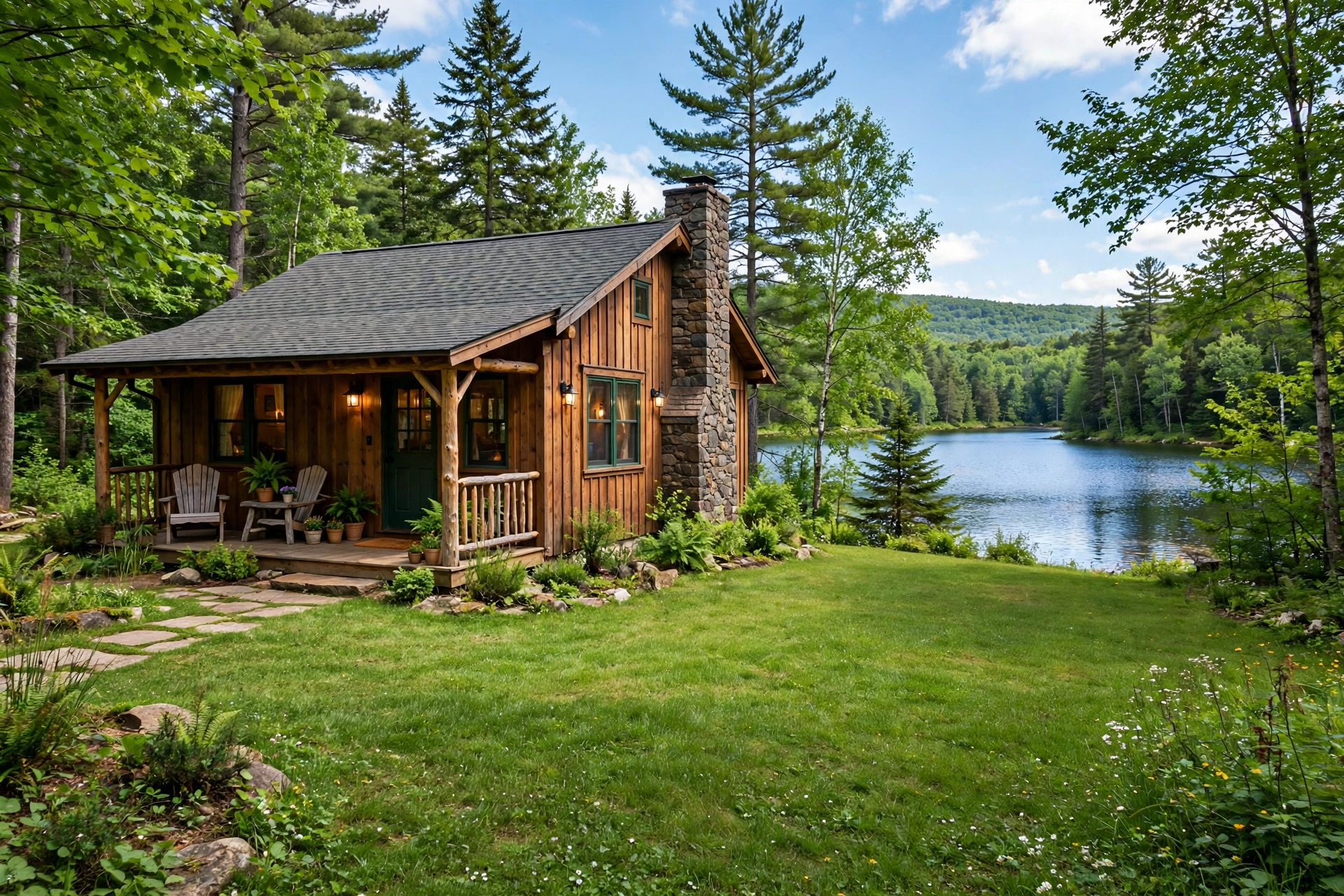
Why a Vacation Home Septic System Works Differently
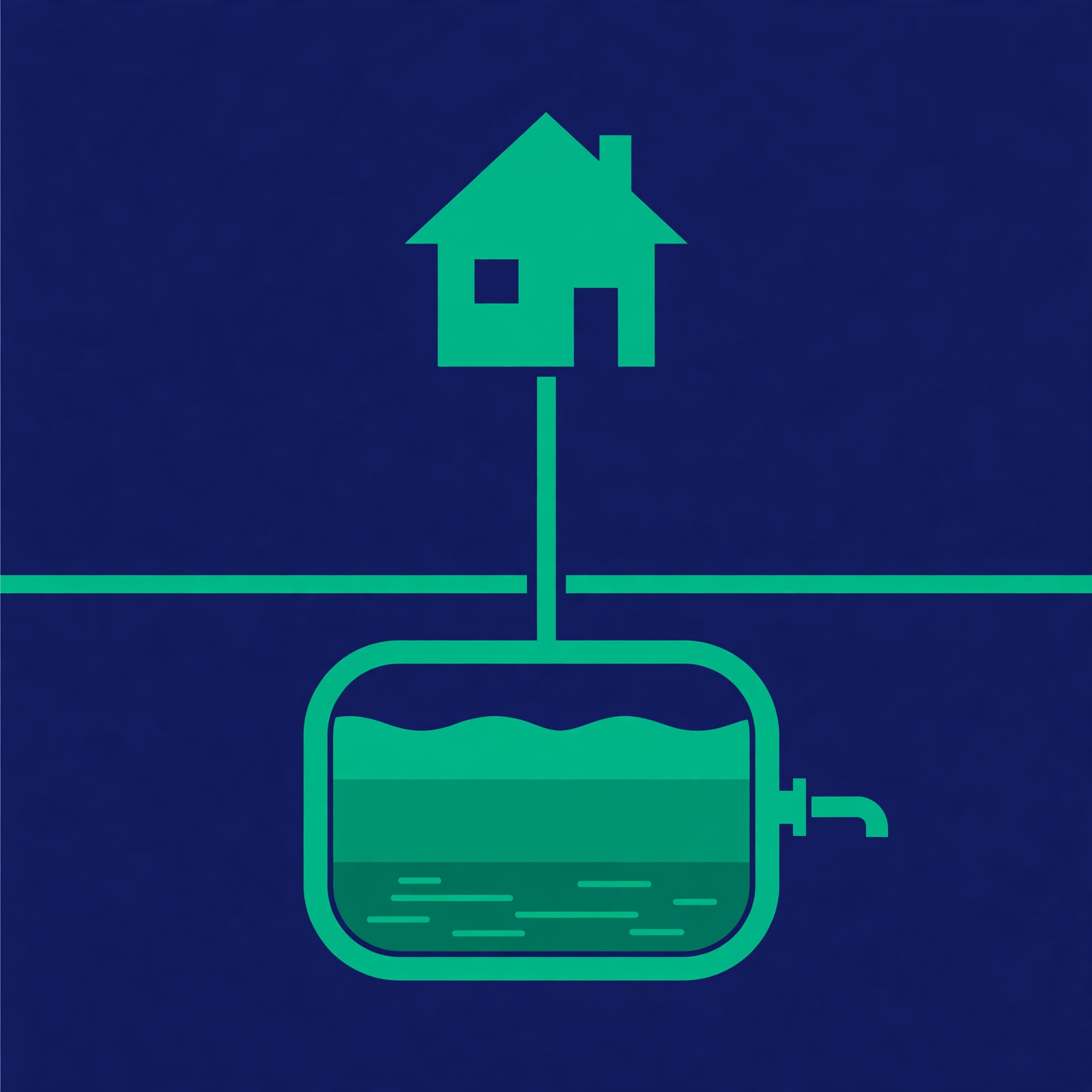
A septic system treats wastewater in two main stages. Wastewater flows from the house into a buried tank, where solids settle to the bottom and lighter material floats to the top. Bacteria in the tank break down much of the organic matter over time. The liquid that remains flows out to the drainfield, where soil filters it further before it returns to the ground. None of this needs daily attention, but all of it depends on a fairly regular flow of water and waste.
At a vacation home, that regular flow disappears. During a long empty stretch, very little enters the tank. The bacteria still work, but with less fresh material coming in, their activity slows. The liquid in the tank cools, especially in winter, and cold slows bacterial action further. Pipes that would normally carry warm water several times a day sit still and cold. None of this means the system is broken. It means the system is resting, and a resting system needs a gentler restart than a system that never stops.
How Septic System Care for Vacation Home Owners Starts With Knowing Your System
Before you can care for a system properly, you need to know what you own. Many vacation home buyers inherit a septic system with very little information. The previous owner may have left no records, the tank location may be marked only by a vague memory, and the age of the system may be a guess. That uncertainty is common, and it is worth fixing early, because every later decision about pumping, inspection, and winter care depends on those basic facts.
Start with the records. Look for the original permit, the installation drawing, or any service receipts left with the house papers. If you cannot find them at the house, the county health department or permitting office is often the next place to check, since many areas keep a file for each septic installation. That file may show the tank size, the type of system, the location of the tank and drainfield, and the date it was installed. Even a partial record is better than none, and it gives a professional something solid to work from on the first visit.
The EPA septic guidance is a useful starting point for any homeowner who wants a clear overview of how these systems work and what basic care looks like. It explains inspection and pumping in general terms and stresses the importance of keeping records, which matters even more when a home sits empty for long stretches. Use it as background, then adapt the timing to your own pattern of use with help from a local professional who knows your soil and climate.
How Often Should You Pump a Vacation Home Septic Tank
Pumping is the question most vacation home owners ask first, and the honest answer is that it depends on use, tank size, and what an inspection actually finds. The general guidance many homeowners hear is that a tank should be inspected about every three years and pumped every three to five years under normal household use. That range is a useful starting point, but a vacation home is not a normal household in terms of use. A cabin used for thirty nights a year puts far less into its tank than a home lived in every day, so it may go longer between pump outs. A busy short term rental used most weekends and holidays may need pumping just as often as a full time home, or even more often during heavy seasons.
The right way to decide is by measurement, not by the calendar alone. When a professional opens the tank, they can measure the depth of sludge at the bottom and scum at the top. Those measurements show how much working space is left. If the layers are thin and the tank is in good shape, there is no need to pump just because a certain number of years has passed. If the layers are thick, pumping is due even if the last pump out was not that long ago. This is why an inspection matters as much as the pump out itself. It turns a guess into a decision based on what is actually in the tank.
It is also worth understanding what happens when pumping is put off for too long. Solids that should have been removed can be carried out of the tank into the drainfield, where they clog the soil and pipes. Once a drainfield is clogged, it cannot be fixed by pumping the tank. Repairs can be disruptive and costly, and in some cases a new drainfield is needed. If you want a fuller picture of that risk, read about what happens if you never pump your septic tank. The lesson for a vacation home is the same as for any home, with one extra point. A tank that fills slowly over years of light use can still reach the point where pumping is overdue, precisely because no one was there to notice the slow signs.
Opening the House for the Season: Give the System a Slow Restart
The first day back at a vacation home sets the tone for the whole stay, and the septic system deserves the same gentle start you would give any part of the house after months away. Arriving and immediately running the washing machine, the dishwasher, and three showers in a row is the fastest way to overload a system that has been quiet. A better approach is to ease the water in over the first day, check a few simple things as you go, and let the tank and drainfield wake up gradually.
Start outside before you turn on a lot of water inside. Walk to the tank area and the drainfield and look for anything that changed while you were away. Standing water, unusually soft or sunken ground, a strong sewage smell, or a patch of grass that is far greener and faster growing than the rest of the yard can all be signs that something needs attention. Check that the access covers are in place and secure. If anything looks wrong, hold off on heavy water use and call a professional before the house fills up for the weekend.
Closing Up for Winter: Protect the System While the House Sleeps
Closing a vacation home for winter is where good habits pay off most. A system that is left properly prepared can sit through months of cold with far less risk of frozen pipes, cracked fixtures, or a tank that starts spring in poor shape. A system that is simply locked up and forgotten is the one that produces an unpleasant surprise in spring.
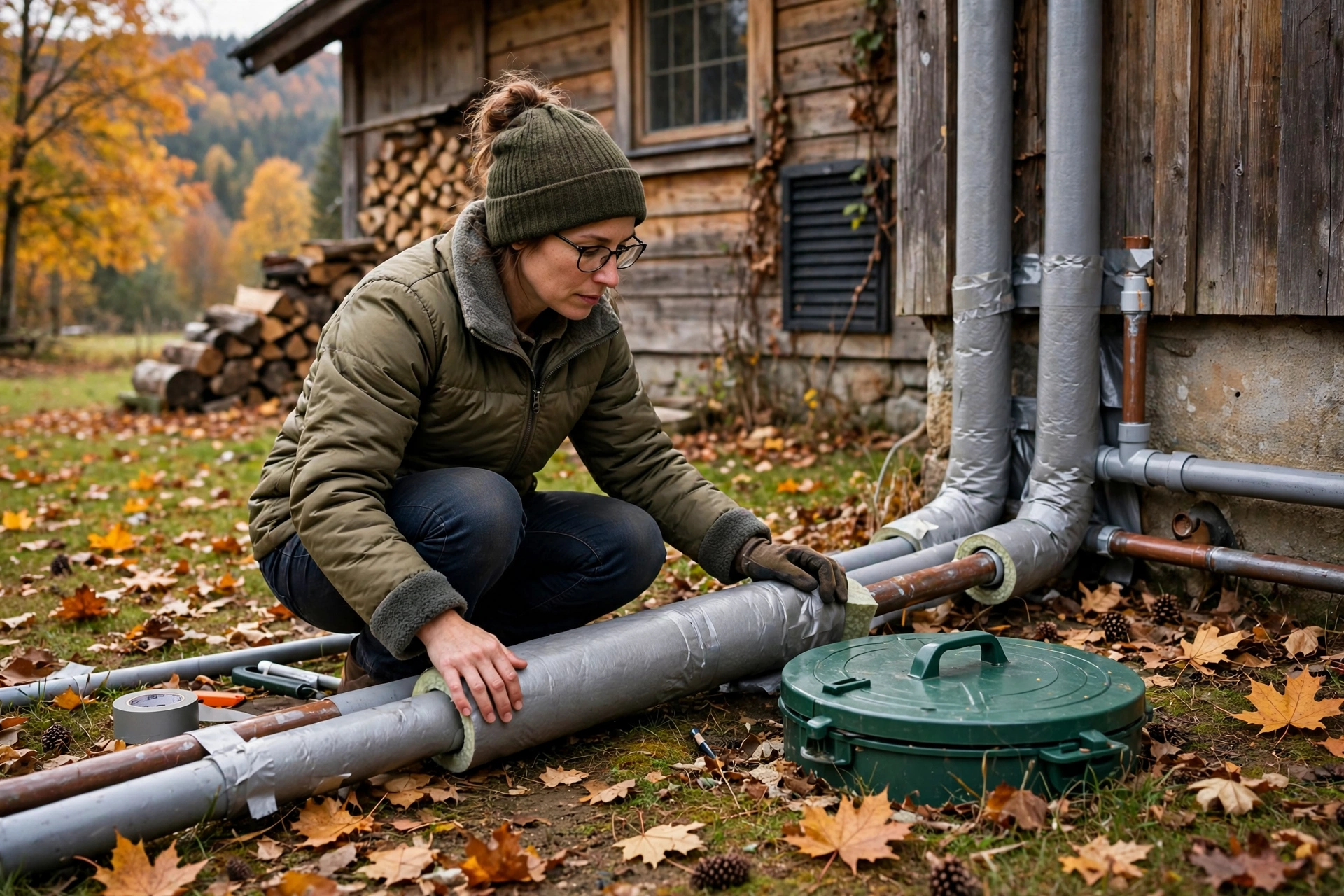
Begin by deciding whether the tank needs pumping before you leave. As noted above, this is a judgement call best made with local advice, but the timing is worth thinking about in autumn rather than in the rush of the last weekend. If the tank is due, a fall pump out gives you a clean start. If it is not due, there is usually no need to pump simply because winter is coming. What matters more is that the tank is not already overfull when the house goes quiet.
If you leave the heat on at a low setting through winter, make sure there are no drips or small leaks feeding the system. A constant low flow of water, even a small drip, can cause freezing in the pipes leading to the tank, because a trickle does not carry enough warmth to keep the line clear. Fix drips before you leave. For a fuller step by step walkthrough, see the guide to how to winterize a septic system, and the guide to how to prevent a septic system from freezing, which explains where freezing usually starts and what helps most in a cold snap.
Protecting the Drainfield While You Are Away
The drainfield is the quiet partner in any septic system. It receives effluent from the tank and lets soil filter and treat it as it soaks downward. When it works well, you never notice it. When it is damaged or overloaded, the signs show up as wet patches, smells, slow drains, or sewage backing up into the house. At a vacation home, the drainfield is easy to forget, because it is just a stretch of grass when the house is empty. Protecting it is mostly about what you do not do, and about keeping water away from it.
Keep vehicles, trailers, boats, and heavy equipment off the drainfield at all times. The soil there needs to stay loose enough for water to move through it. Compaction squeezes the air out of the soil and slows absorption. It also risks crushing shallow pipes. Guests who arrive with a boat trailer or a large vehicle need a clear place to park that is not over the system. A simple note in the house guide, plus a discreet marker at the edge of the field, is usually enough.
Water Use at a Part Time Home: Surges, Guests, and Rentals
Water is the main load on a septic system, and at a vacation home that load arrives in bursts. Understanding those bursts helps you plan around them without turning a holiday into a set of rules no one enjoys. The aim is not to use as little water as possible. It is to avoid sending more water to the system in a short time than the tank and drainfield can handle.
A typical pattern at a full house is easy to picture. Everyone showers in the morning, the dishwasher runs after breakfast, laundry starts, and toilets flush often through the day. Each of those uses is normal on its own, but together they can send a large volume into the tank in a few hours. The tank can hold only so much at once, and the drainfield can absorb only so much at a time. When the flow is too fast, solids do not have time to settle properly, and liquid can leave the tank before it has been treated as well as it should be.
What Goes Down the Drain Matters More When Use Is Irregular
What you flush and pour matters at any home with a septic system, but at a vacation home the effect can be sharper. A system that is used only now and then has less chance to recover from a mistake. A single weekend of grease down the kitchen sink, wipes flushed down the toilet, or harsh chemicals poured down a drain can cause a clog or disturb bacteria just as the system is trying to restart after weeks of quiet.
The rule is simple and worth repeating to everyone who stays at the house. Only human waste and toilet paper go down the toilet. Everything else belongs in the bin. That includes wipes, even those labelled flushable, sanitary products, cotton buds, dental floss, paper towels, and cigarette ends. None of these break down in a septic tank the way toilet paper does. They can clog pipes, build up in the tank, and reach the drainfield where they cause lasting damage. A small bin beside each toilet, emptied regularly, makes the rule easy to follow.
Warning Signs to Check on Every Visit
Because no one is at a vacation home most of the time, the checks you do on arrival matter more than they would at a main house. A few minutes of looking and listening can tell you whether the system is coping well or whether you need help before the house fills up. Make these checks part of your arrival routine, the same way you check the heating or the water, so they happen every time rather than only when something already smells wrong.
Start with the drains. A sink or shower that drains slowly, a toilet that flushes weakly, or gurgling sounds from a drain when another fixture is used can all point to a tank that is getting full or a pipe that is partly blocked. One slow drain in one bathroom may be a local clog in that fixture. Slow drains across the whole house are more likely to be a system issue, and they deserve a professional look rather than a bottle of drain cleaner.
Inspections, Pumping, and When to Call a Professional
Some septic care is simple homeowner work. Checking drains, fixing leaks, keeping vehicles off the drainfield, and spacing water use are all within your reach. Other work belongs to a professional, and knowing where that line falls protects both you and the system. Opening a septic tank is not a casual job. Tanks can contain harmful gases, and the lids are heavy. Never climb into a tank, and never let children play near open covers.
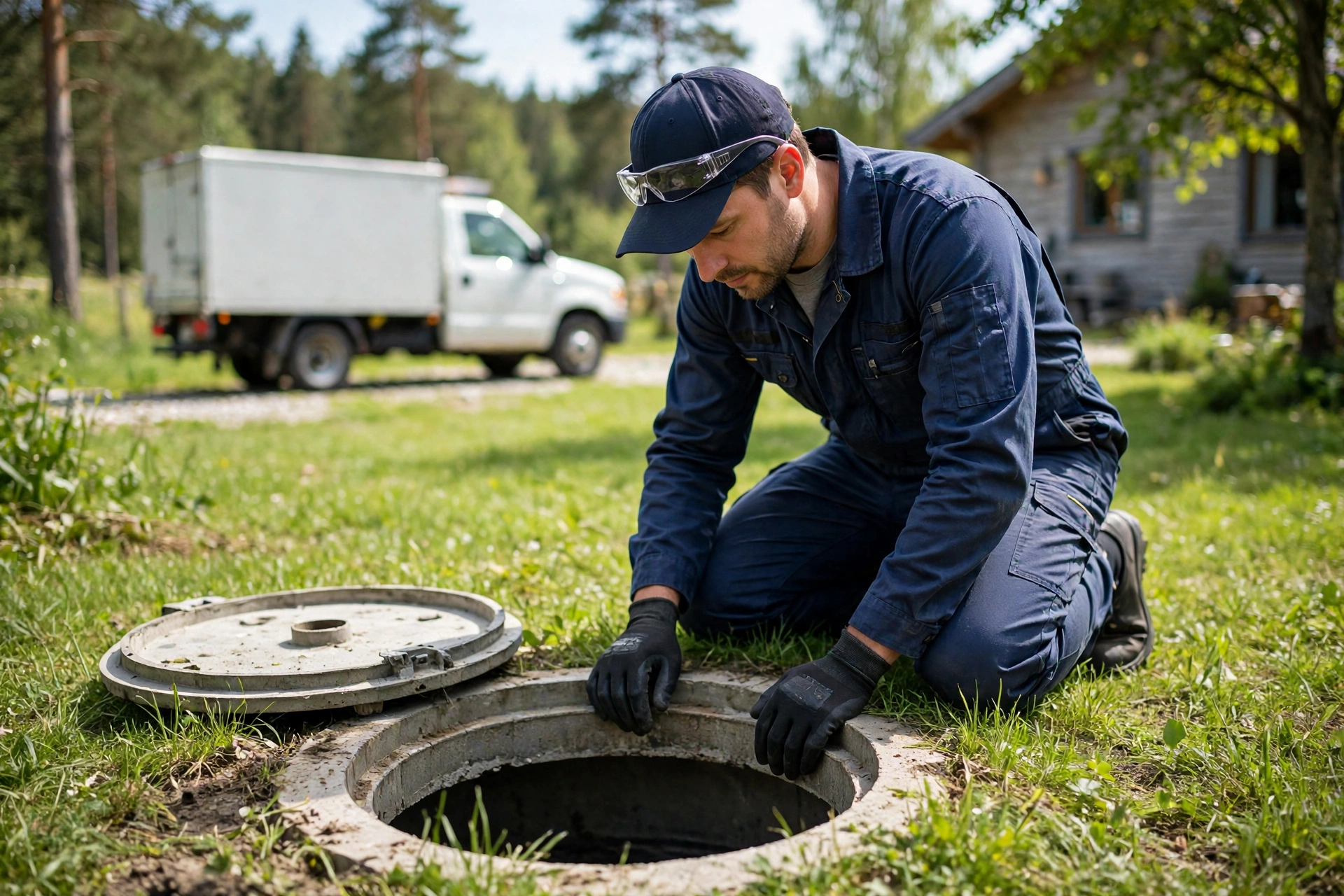
A professional inspection usually includes opening the tank, measuring sludge and scum, checking the inlet and outlet, looking at baffles or filters, and checking the drainfield for signs of trouble. If your system has a pump, the inspector will check the pump, floats, and alarm. They should give you a written note of what they found, including the measured levels and any recommendations. That note is the record you will use to plan the next pump out and the next inspection. Ask for it every time, and keep it with the other house records.
Buying a Vacation Home With a Septic System
If you are thinking of buying a vacation home rather than caring for one you already own, the septic system deserves attention before you sign anything. A system that looks fine from the yard can hide a tank that is overdue for pumping, a drainfield that is near the end of its life, or a design that does not match the size of the house. Finding that out after purchase is far more costly than finding it out before.
Ask for the septic records as part of your early questions. How old is the system, when was it last pumped, when was it last inspected, and what did the inspection find. If the seller cannot answer, ask whether the county holds a permit or an installation record. A seller who has kept records and can show them is a good sign. A seller who has no records at all is not necessarily hiding a problem, but it does mean you will need to do more checking yourself.
Records, Caretakers, and a Simple Routine That Actually Works
A vacation home septic system is easy to neglect precisely because no one lives with it every day. The cure is not a complex system of reminders, but a simple routine that fits the way you already use the house. A routine that depends on you remembering a date months in advance will fail. A routine tied to arrival and departure, and to a written record kept in the house, is far more likely to last.
Keep one septic file for the house, in a folder or a binder that stays at the property. In it, keep the installation record if you have it, the sketch of the tank and drainfield location, every inspection and pumping receipt, and a short log of each visit. The log does not need to be detailed. Date, who visited, what was checked, and anything unusual is enough. A caretaker or a future buyer will thank you for it, and you will thank yourself when you try to remember when the tank was last pumped three years from now.
For a month by month view of what to do and when, the septic system maintenance schedule by month is a useful companion to this guide. It breaks the year into small seasonal tasks, so you can see at a glance what belongs in spring, summer, autumn, and winter. Use it alongside your arrival and departure lists, and adapt it to your climate. A home in a mild climate will need less winter preparation than a cabin in a region with hard freezes, but the rhythm of checking, pumping when measured levels require it, and protecting the drainfield stays the same.
A Seasonal Rhythm for a Part Time Home
It helps to see the year as a whole, rather than as a set of separate jobs. A vacation home system does not need attention every week, but it does need attention at the turning points of the year. The table below gives a simple rhythm you can adapt to your climate and your pattern of use. Treat it as a guide, not a rigid rule, and let inspection findings override it whenever they point in a different direction.
| Season | What to focus on | Why it matters for a vacation home |
|---|---|---|
| Spring opening | Walk the yard, check drains and traps, run water in stages, look at the alarm panel, fix leaks | Winter can hide damage, and a slow restart protects a system that has been quiet for months |
| Summer use | Space laundry and showers, keep grease and wipes out of the system, watch the drainfield after rain | Peak season brings the heaviest water load and the most guests, often at once |
| Autumn closing | Decide on pumping with local advice, drain lines, add RV antifreeze to traps, insulate the tank area, leave clear notes | Good closing prevents frozen pipes and a tank that starts spring in poor shape |
| Winter quiet | Monthly check by a caretaker if possible, keep vehicles and snow piles off the drainfield, leave snow cover in place | No one is there to notice a leak or a smell, so a short visit is the only early warning |
Within that rhythm, pumping and inspection sit on their own cycle. A lightly used home may need an inspection every few years and a pump out only when measurements show it is time. A busy rental may need both more often, especially before the peak season. The key is to base the decision on the tank, not on a guess about how many nights the house was used. Keep the written measurements from each visit, and compare them over time. If the sludge layer is growing faster than expected, pumping should come sooner. If it is growing slowly, you can wait longer with confidence.
Common Questions From Vacation Home Owners
Does a vacation home septic system need less pumping than a full time home
Often yes, but not always. A home used for a few weeks a year puts far less solid waste into the tank, so the sludge layer grows slowly. A busy rental used most weekends can need pumping just as often as a full time home. The only reliable way to know is to have the tank inspected and the sludge and scum measured. Let those measurements decide, rather than assuming light use always means a longer gap.
Can I leave the system alone all winter and deal with it in spring
You can leave the house empty, but you should not leave it unprepared. Draining the lines, adding RV antifreeze to the traps, deciding on pumping with local advice, and arranging a monthly check are the steps that prevent a quiet winter from becoming a costly spring repair. A house that is simply locked up without those steps is at higher risk of frozen pipes, cracked traps, and a tank that starts spring full of cold sewage.
Will the bacteria die if the house sits empty for months
Bacterial activity slows when no fresh waste enters the tank, and cold makes it slower still, but the bacteria do not vanish entirely. Normal use after reopening brings them back to full activity, especially if you restart water use gradually over the first day. There is no need to add a treatment product to restart the system, and some products can do more harm than good.
What should I tell guests about the septic system
Keep it short and friendly. Tell them the home is on a septic system, that only toilet paper goes in the toilet, that grease belongs in the bin rather than the sink, and that spreading out showers and laundry helps. Put the same note in the house guide and a small sign in each bathroom. Most guests will follow clear guidance willingly, especially when it is presented as a normal part of staying at the house rather than a list of restrictions.
Is it safe to use the house the first night after months away
Yes, in most cases, provided you do the simple arrival checks first. Walk the yard, check that drains run freely, run water through each fixture, and look for smells or wet patches. If anything seems wrong, limit water use and call a professional before the house fills up. If the checks are clear, settle in and ease water use in over the first day rather than running everything at once.
A Quiet System Is a Well Cared For System
Septic system care for a vacation home is not complicated, but it is different from care for a home you live in every day. The system rests for long stretches, then works hard in short bursts. It needs a slow start in spring, a careful close in autumn, and a watchful eye on the days you are actually there. It needs pumping and inspection based on what is in the tank, not on a guess. It needs a drainfield protected from vehicles, extra water, and deep roots. And it needs clear guidance for guests, so the people who enjoy the house also help look after the system beneath it.
None of this requires you to become an expert in wastewater treatment. It requires a file with the basic facts, a short list of checks tied to arrival and departure, a local professional you trust, and a caretaker or neighbour who can look in while you are away. With those pieces in place, the septic system can do what it is meant to do, which is work quietly underground while you enjoy the house above it.
Greetings Glows Team is dedicated to creating meaningful, helpful, and thoughtfully curated content for everyday inspiration and special moments.
What We Focus On:
Well-researched and reader-friendly articles.
Meaningful greetings, blessings, prayers, and inspirational messages.
Carefully curated ideas for everyday life and special occasions.
Clear, helpful, and engaging information.
Consistent quality and attention to detail in every publication.
Our goal is simple: to make every visit worthwhile with content that inspires, informs, and brings a little more positivity to your day.