Your septic system works quietly underground, day after day, handling everything your household sends down the drains. Because it stays out of sight, it is easy to forget about it completely until something goes wrong. That is exactly why regular inspections matter so much. A professional inspection is the one reliable way to know what is happening inside your tank and drain field before a small problem turns into a sewage backup, a flooded yard, or a repair bill that runs into thousands of dollars.
So how often should you inspect your septic system? For most homes, the answer is simple. The U.S. Environmental Protection Agency recommends that a typical household septic system be inspected at least every three years by a septic service professional. If your system has pumps, float switches, or other mechanical parts, the EPA guidance is different: those systems should generally be inspected once a year. That three-year figure is a minimum, not a perfect schedule for every home. Your tank size, the number of people in your household, the age of your system, and local rules in your area can all shift the right interval for you.
This guide walks through the full picture: what an inspection actually covers, how the right schedule changes with your system type, the warning signs that mean you should book one sooner, and what to expect when the inspector arrives.
The Short Answer: Every Three Years for Most Homes
If you have a conventional septic system, which is a standard tank connected to a gravity-fed drain field with no pumps or mechanical parts, a professional inspection at least once every three years is the baseline the EPA recommends. Many homeowners find it practical to combine the inspection with pumping, since household tanks are typically pumped every three to five years. Booking both together saves a second visit and gives the inspector a clean, empty tank to examine properly.
That three-year interval works well for an average household with a properly sized tank. But average does not describe every home. A large family in a house with a modest tank fills it with solids faster than a retired couple in the same house would. A garbage disposal adds extra solids. A home that hosts frequent guests or runs a home business with heavy water use puts more strain on the system. In those cases, your inspector may suggest coming back sooner than three years, and that advice is worth following.
Systems with mechanical components follow a different rhythm. Aerobic treatment units, mound systems, pressure distribution systems, and any system with a pump or alarm generally need an inspection once a year. These systems have moving parts, electrical components, and filters that can fail quietly. A pump that stops working or a float switch that sticks can cause a backup within days, so annual attention is not overkill. It is the only way to catch a failing part before it causes damage. In many areas, an annual service contract is required as a condition of the operating permit for these advanced systems, so check what your local health department expects.
Your local rules may also set their own schedule. Some counties and states require inspections on a fixed cycle, often every three to five years, and some require an inspection when a home is sold. Local requirements always take priority over general guidance. If you are unsure what applies where you live, your county health department or environmental health office can tell you in a single phone call.
Why Regular Inspections Matter So Much
A septic system fails gradually, not all at once. Solids build up in the tank a little at a time. A baffle cracks. The drain field slowly loses its ability to absorb water. None of this shows up in your daily life until the system reaches a breaking point, and by then the fix is usually far more expensive than the inspection would have been.
An inspection catches problems while they are still small and cheap. A worn baffle can be replaced for a modest sum. Left alone, that same broken baffle lets solids flow into the drain field, where they clog the soil and can ruin the entire field. Replacing a drain field is one of the most expensive repairs a homeowner can face, often costing many times more than years of routine inspections combined. The inspection is what stands between those two outcomes.
There is also a health angle that deserves attention. A failing septic system can release untreated wastewater into your yard or, worse, into nearby groundwater. If your household relies on a well, that creates a direct risk to your drinking water. Regular inspections protect not just your property but your family and your neighbors.
Inspection and Pumping Are Two Different Jobs
Homeowners often use the words inspection and pumping as if they mean the same thing. They do not, and understanding the difference helps you get the right service at the right time.
An inspection is a checkup. The inspector opens the tank, measures the scum and sludge layers, checks the baffles and outlet filter, looks at the condition of the tank walls and lid, tests any pumps or alarms, and walks the drain field looking for wet spots, odors, or unusually lush grass. The goal is to assess the health of the whole system and decide what it needs next.
Pumping is a cleaning. A truck removes the accumulated sludge and scum from the tank, restoring its working capacity. Pumping is typically needed every three to five years for a household tank, but the right timing depends on what the inspection finds, not on the calendar alone. The EPA gives three clear triggers for pumping: pump the tank if the bottom of the scum layer is within six inches of the bottom of the outlet, if the top of the sludge layer is within twelve inches of the outlet, or if sludge and scum together make up more than a quarter of the liquid depth in the tank. Those measurements can only be taken during an inspection.
This is why the two services work best together. The inspection tells you whether pumping is due. If you pump on a fixed schedule without ever inspecting, you might pump a tank that did not need it yet, or miss a cracked baffle that pumping alone will never reveal. If you inspect without pumping when the measurements say the tank is full, the inspection has done its job but the problem remains. If you want to dig deeper into how pumping intervals work, our guide on whether pumping every three years is enough explains the factors that speed up or slow down the schedule. For a household-by-household breakdown, the pumping frequency chart by household size shows how tank size and the number of people under your roof change the math.
What a Professional Septic Inspection Actually Includes
A good inspection is thorough. It covers the tank, the parts inside it, the drain field, and any mechanical components. Knowing what the inspector should be looking at helps you judge whether you are getting a real inspection or a quick glance. Here is what a proper visit covers.
Locating and opening the tank
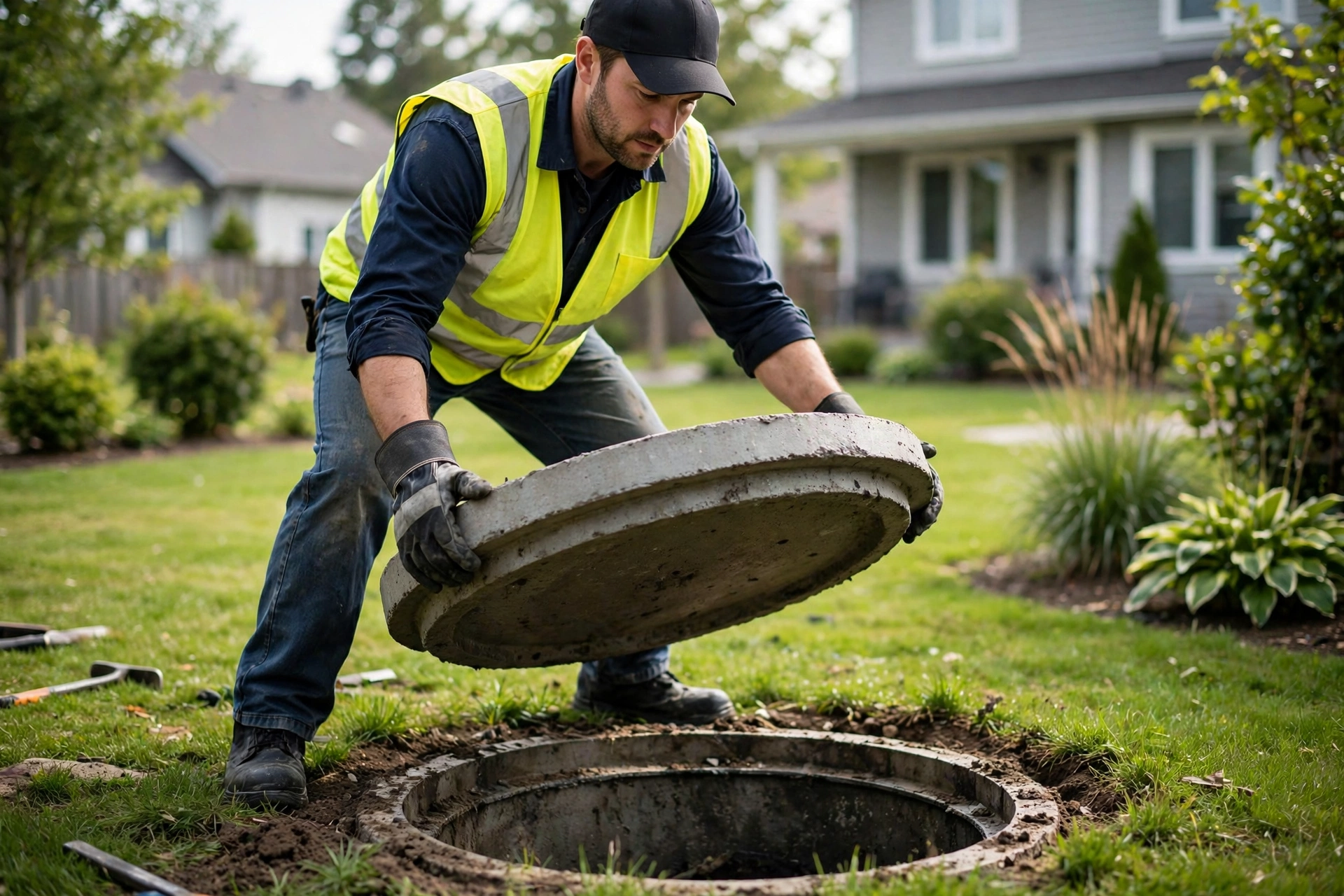
The inspector starts by finding the tank, which is not always straightforward if the access lids are buried. A good inspector will have records, a probe, or an electronic locator to find them without tearing up your yard. Once located, the lids are uncovered and removed. If your tank has risers, which are extensions that bring the lids up to ground level, this step takes minutes. Without risers, the inspector may need to dig, which adds time and cost. Many homeowners choose to have risers installed after their first inspection, and it is a worthwhile upgrade.
Measuring scum and sludge levels
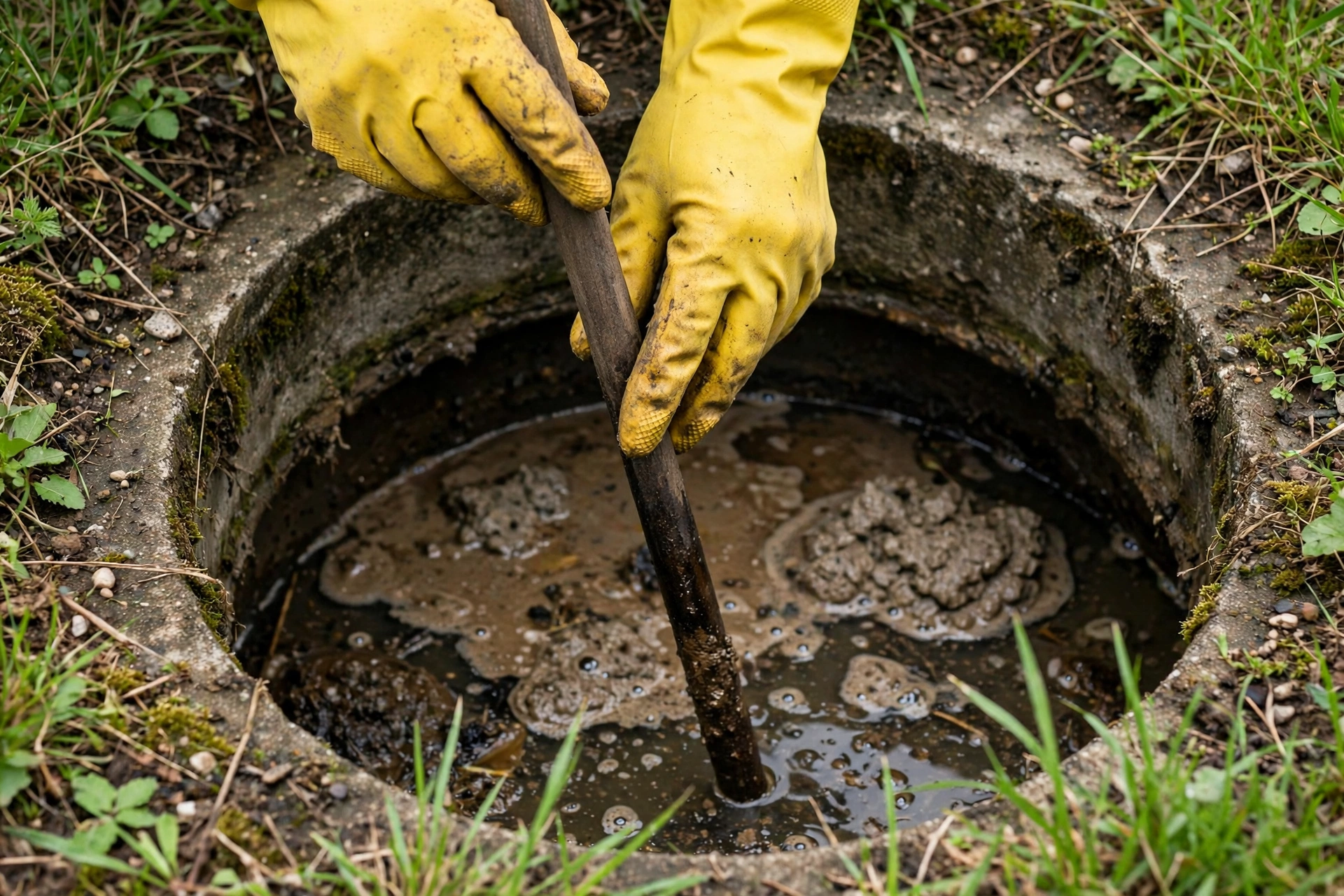
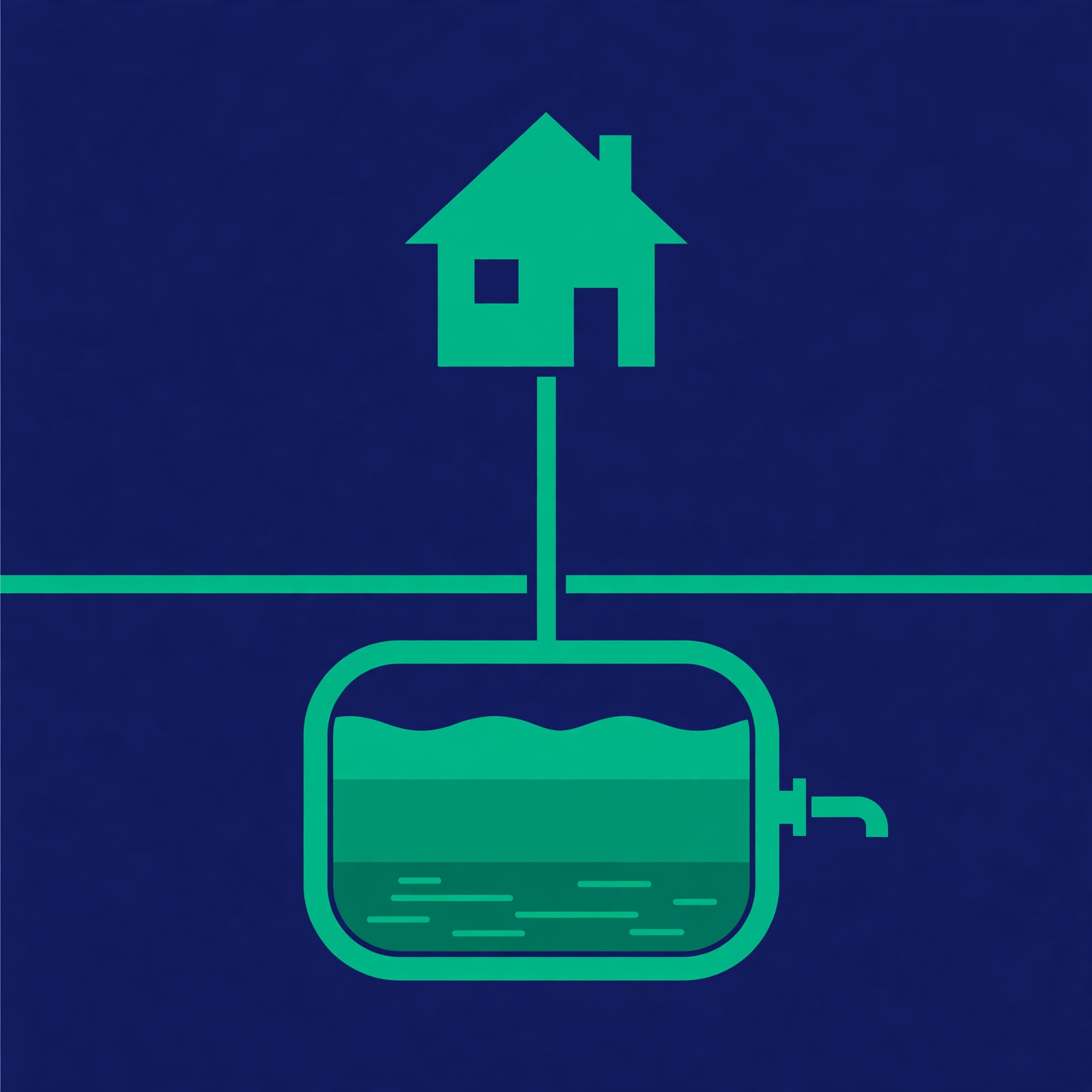
Inside the tank, wastewater separates into three layers. Scum, made of oils and floating solids, sits on top. Liquid effluent sits in the middle. Sludge, the heavier solids that settle, sits on the bottom. The inspector measures the thickness of the scum and sludge layers with a long measuring tool, often called a sludge judge or a simple marked stick. These measurements are the heart of the inspection, because they determine whether the tank needs pumping. The inspector compares the results against the EPA pumping triggers described above.
Checking baffles, tees, and the outlet filter
Baffles and tees are the internal guides that keep scum and sludge inside the tank while letting clear liquid flow out to the drain field. If a baffle is cracked, corroded, or missing, solids escape into the field, where they clog the soil. The inspector checks both the inlet and outlet baffles for damage and makes sure they are secure. Many modern systems also have an effluent filter on the outlet, a mesh screen that catches fine solids. The inspector removes it, cleans it, and checks it for damage. A clogged filter can slow drainage throughout the house, so this small part gets real attention.
Examining the tank itself
The inspector looks at the tank walls, floor, and lid for cracks, corrosion, and signs of leakage. Concrete tanks can develop cracks over decades. Steel tanks rust. Fiberglass and plastic tanks can shift or crack if the surrounding soil moves. The inspector also checks the liquid level. If the level is unusually high or low, that points to a problem somewhere in the system, such as a leak, a clog, or a drain field that is not absorbing water properly.
Testing pumps, alarms, and electrical parts
If your system has a pump, the inspector tests it. The pump should start and stop at the right liquid levels, move water at the expected rate, and run quietly. The alarm, which warns you when the liquid level gets too high, gets tested too. Float switches are checked for free movement, since a stuck float can either run the pump dry or fail to start it at all. Electrical connections are inspected for corrosion and damage. On aerobic systems, the aerator and disinfection components are checked as well.
Walking the drain field
The drain field is the part of the system that treats the wastewater after it leaves the tank, so the inspector spends real time there. They walk the area looking for standing water, soggy ground, sewage odors, and patches of grass that are much greener or faster-growing than the rest of the lawn. Those are signs that effluent is surfacing instead of filtering down through the soil. The inspector also notes anything that should not be on the field, such as parked vehicles, heavy equipment, or new construction, since weight and compaction damage the pipes and soil structure.
Reviewing your records and usage
A good inspector asks questions. How many people live in the house? Has water use changed recently? Have you noticed slow drains, gurgling pipes, or odors? When was the tank last pumped? The answers help the inspector interpret what they see inside the tank. They also update your system records with the date of the visit, the measurements, and any recommendations, which becomes the baseline for the next inspection.
How Often to Inspect Based on Your System Type
Not all septic systems are built the same, and the right inspection schedule depends on what kind you have. If you are not sure which type serves your home, your property records or your local health department can tell you, and your inspector can confirm it on the first visit.
Conventional gravity systems: at least every three years
The conventional system is the most common setup in the United States. Wastewater flows from the house into a single tank, solids settle, and the liquid flows by gravity into a drain field of buried pipes and gravel. There are no pumps, no electrical parts, and nothing mechanical to break. For these systems, the EPA recommendation of an inspection at least every three years fits well. If your household is small and your tank is generously sized, three years is a comfortable interval. If your household is large, you use a garbage disposal daily, or your tank is on the small side, ask your inspector whether a two-year cycle would be safer. The measurements from each visit will guide that decision.
Aerobic treatment units: once a year
An aerobic treatment unit, often called an ATU, uses oxygen and mechanical aeration to break down waste more thoroughly than a conventional tank. It has an aerator, often a pump, and sometimes a disinfection stage. Because these parts work constantly and can fail without warning, the EPA recommends inspection generally once a year. Many states require an annual service contract for ATUs, and the service technician usually visits two or more times a year under that contract. Skipping those visits voids warranties and can put you out of compliance with your permit.
Mound and pressure distribution systems: once a year
Mound systems and pressure-dosed systems use a pump to move effluent to a raised drain field or to distribute it evenly through pressurized pipes. The pump, the dosing controls, and the distribution network all need regular attention. Annual inspection is the standard here, for the same reason as with ATUs: a failed pump or a clogged distribution line can cause a backup quickly, and the repair is rarely cheap. Your inspector will check pump performance, run times, and the condition of the mound or distribution lines.
Older systems: more often, not less
A system that is twenty-five or thirty years old deserves closer attention than a new one. The EPA suggests that homeowners start planning for possible upgrades when a drain field or system reaches about twenty-five to thirty years of age. Age brings wear: concrete corrodes, baffles weaken, and drain fields gradually lose capacity. If your system is older, a two-year inspection cycle is a sensible precaution, and annual visits are worth considering if your inspector has flagged any concerns.
High-use households: shorten the interval
Water use is the other big variable. A household of six fills a tank with solids far faster than a household of two. Laundry habits matter too. Spreading loads across the week is gentler on the system than running five loads in a single day, which can flood the tank and push solids toward the drain field. If your home has frequent overnight guests or a rental unit sharing the system, tell your inspector so the schedule can be adjusted.
Signs You Need an Inspection Sooner Than Scheduled
The three-year schedule assumes everything is working normally. Real life does not always cooperate. Certain events and warning signs mean you should book an inspection right away, even if your last one was recent.
Slow drains across the whole house are one of the earliest warnings. A single slow sink is usually a local clog. When every toilet flushes slowly and every drain runs sluggishly at the same time, the problem is often downstream, in the tank or the drain field. Gurgling sounds in your pipes, especially when another fixture is running, point the same way. These symptoms do not always mean the tank is full, and our guide on how to tell if your septic tank is full or clogged explains how to sort out what is actually going on before you panic.
Sewage odors inside or outside the house are another clear signal. A faint smell near the tank lids after heavy rain may not be an emergency, but a persistent sewage smell in the house, in the yard, or around the drain field means something is wrong. Standing water or soggy ground over the drain field, especially during dry weather, means effluent is surfacing.
Alarms should never be ignored. If your system has a high-water alarm and it goes off, do not just silence it. Reduce water use immediately and call a professional. A sewage backup into the house is the most urgent sign of all. If wastewater comes up through a floor drain, a toilet, or a bathtub, stop using water, keep everyone away from the affected area, and call for help right away. Our guide on signs that mean you should call a septic professional right away covers exactly which situations count as emergencies and what to do first.
Certain life events also call for an inspection even when nothing seems wrong. If you are buying a home with a septic system, get a full inspection before closing. A standard home inspection does not cover the septic system in any real depth, and a failed system discovered after purchase becomes your problem. The same applies when you are selling: a clean inspection report reassures buyers and prevents last-minute surprises. After a flood or heavy construction near the system, an inspection is a sensible precaution, since flooding can saturate a drain field and heavy equipment can crush pipes.
What Happens If You Skip Inspections
Skipping inspections does not save money. It moves the cost into the future and multiplies it. The most common outcome of years without inspection is a clogged drain field. Solids that should have stayed in the tank escape through a damaged baffle or a tank that has gone too long without pumping. They settle into the soil of the drain field, and the soil gradually stops absorbing water. The early signs are subtle: drains that are a little slow, a faint odor after rain, a damp patch in the yard. By the time sewage backs up into the house, the field may already be badly damaged.
A failed drain field is the repair every septic homeowner dreads. Depending on your area and the size of the system, replacing it is a major project that involves excavation, new pipes, and often a permit and a soil evaluation. In some cases, the replacement field has to go in a different part of the yard, which adds cost and disruption. Regular inspections are the cheapest way to avoid ever facing that bill, because they catch the conditions that damage a field, like high sludge levels or a broken baffle, years before the damage becomes permanent.
There are other costs too. A system with no inspection history is a problem when you sell your home. Buyers and their lenders often require a recent inspection, and a system that cannot produce records raises questions that can delay or derail a sale. In areas with mandatory inspection programs, missing a required inspection can bring fines or enforcement action from the local health department. And if untreated wastewater reaches a nearby well or waterway, the environmental and legal consequences go far beyond a repair bill.
The comparison is simple. An inspection every few years costs a fraction of a single major repair, and it buys something no repair can: the knowledge that your system is actually working. Homeowners who inspect on schedule rarely face septic emergencies. Homeowners who do not are the ones calling for help on a weekend, with sewage in the basement and a yard they cannot use.
What to Expect on Inspection Day
A routine inspection usually takes one to two hours, depending on the size of your system and whether the lids are easy to reach. The inspector will need access to the tank lids and the drain field, so clear the area of vehicles, firewood, and anything else sitting over the system. Mention any recent changes, like new plumbing fixtures, a water softener, or extra occupants.
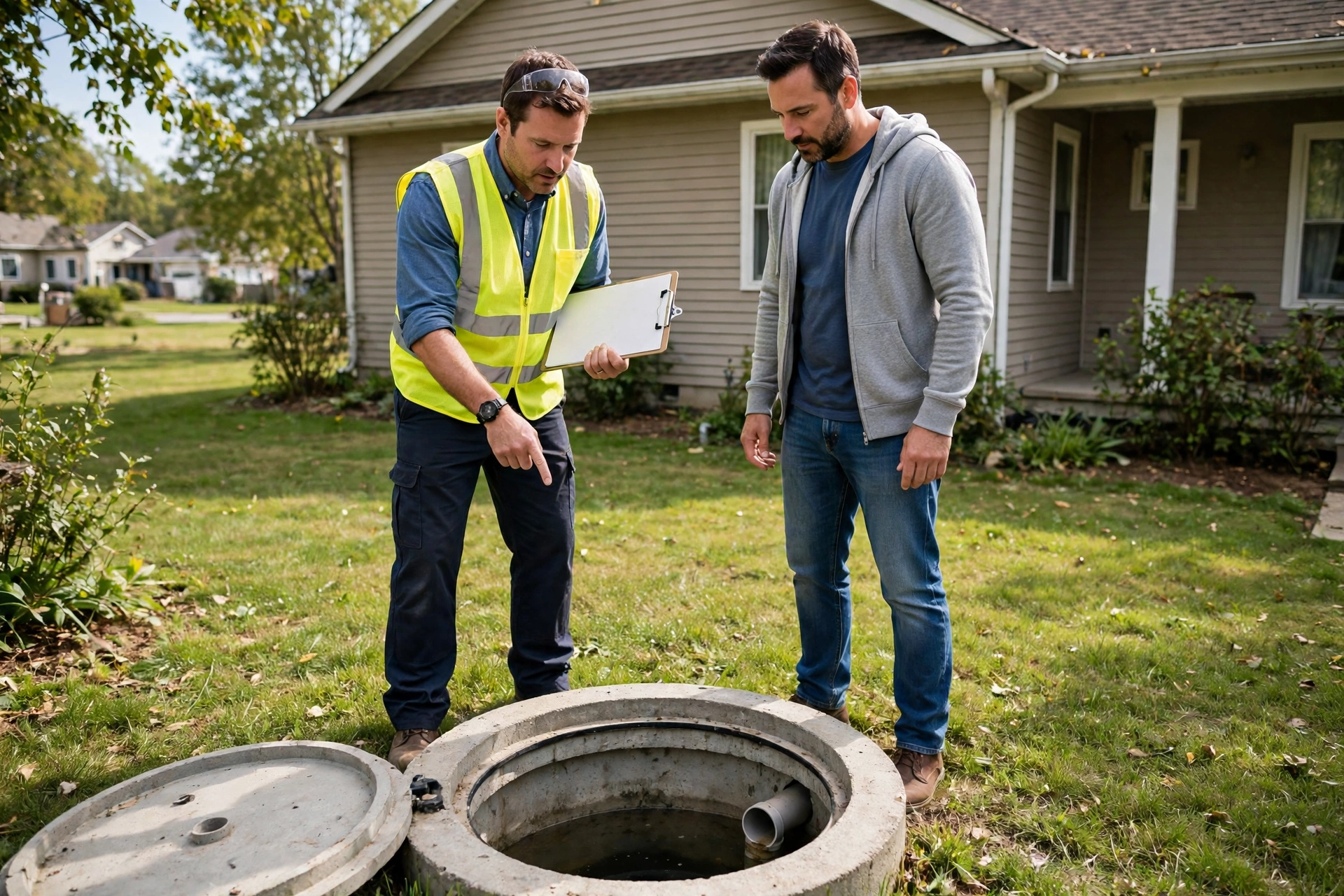
The visit itself is mostly quiet work outside. You can expect some digging if the lids are buried, some noise when the tank is opened, and a walk around your yard. The inspector will take measurements, clean the effluent filter, test the pump and alarm if you have them, and take notes. Most inspectors are happy to explain what they are seeing as they go, and it is worth staying nearby and asking questions. This is your chance to learn where your system is, how full the tank is, and what to watch for before the next visit.
Cost varies by region, system type, and how much digging is needed to reach the lids. A straightforward inspection of a conventional system with accessible risers costs less than one that requires locating and excavating buried lids, and systems with pumps or aerobic components cost more because there is more to test. Ask for a quote when you book, and ask what it includes. If pumping is needed, that is usually priced separately, and many companies offer a combined inspection and pumping visit at a better rate than booking each separately.
After the visit, you should receive a written report. It should list the scum and sludge measurements, the condition of the baffles, filter, and tank, the state of the drain field, the results of any pump or alarm tests, and a clear recommendation: pump now, pump within a certain time, or no pumping needed. It should also state when the next inspection is due. Keep that report. File it with your other home records, because it becomes the baseline for the next inspection and the proof of maintenance if you ever sell the home.
How to Choose a Good Septic Inspector
Not every company that pumps tanks does thorough inspections, so it is worth choosing carefully. Start with licensing. Most states and counties license or certify septic professionals, and your local health department can confirm whether a company is properly credentialed. Look for membership in a professional association, which is a good sign that the company follows industry standards and keeps its training current.
Ask what the inspection includes before you book. A good inspector will describe the measurements they take, the components they check, and the written report you will receive. Be cautious of anyone who offers an inspection without opening the tank. An inspection that only looks at the yard and checks the drains inside the house is not a real inspection. The tank has to be opened and measured.
Experience with your system type matters. If you have an aerobic treatment unit or a mound system, choose a company that services those systems regularly. The components and the failure modes are different from a conventional system, and a generalist may miss early signs of trouble.
Finally, pay attention to how the inspector communicates. The best inspectors explain what they find in plain language, show you the measurements, and give honest recommendations without pressure. If an inspector pushes an expensive repair on the spot without explaining why, or refuses to show you what they found, get a second opinion. A reputable professional welcomes questions and has nothing to hide.
Keeping Your Own Records Between Inspections
The three years between inspections is a long time, and your memory of the last visit will fade. Keep a simple file for your septic system, either a folder in your house or a digital note on your phone. It should hold the date and report from every inspection and pumping, a sketch or photo of where the tank and drain field are located, and notes on anything unusual you notice, like a slow drain or a smell after heavy rain.
Between professional visits, you can do your own light checks. Once or twice a year, walk the drain field and look for standing water, odors, or unusually green grass. Inside the house, pay attention to how drains behave. If several fixtures slow down at once, or you hear gurgling when a toilet flushes, note the date and what was happening. That note becomes useful information for your inspector at the next visit.
A Simple Inspection Schedule You Can Follow
Here is a schedule that covers the most common situations. Use it as a starting point, then adjust it with your inspector based on what your system actually looks like inside.
| Your situation | How often to inspect | Notes |
|---|---|---|
| Conventional system, average household | At least every 3 years | Combine with pumping when possible |
| Conventional system, large household or heavy water use | Every 2 years | Ask your inspector to confirm after measuring |
| Aerobic unit, mound, or pressure system | Once a year | Often required by permit or service contract |
| System over 25 years old | Every 2 years, or yearly if concerns were flagged | Watch for cracks, corrosion, and field capacity |
| Buying or selling a home | Before closing | A full inspection, separate from a general home inspection |
| Warning signs appear | Right away | Slow drains, odors, wet spots, alarms, or backups |
| After flooding or nearby construction | As soon as practical | Flooding and heavy equipment can damage the system |
Set a reminder for your next inspection the day after the last one. A calendar reminder, a note on the fridge, or a recurring task on your phone is enough. The most common reason homeowners fall behind is not cost or reluctance. It is simply forgetting. A reminder turns a vague intention into a date on the calendar, and that is often all it takes.
Frequently Asked Questions
Can I inspect my own septic system instead of hiring a professional?
You can watch for warning signs yourself, and you should. Walking the drain field, noticing slow drains, and keeping records are all things a homeowner can do. But a real inspection requires opening the tank, measuring scum and sludge layers, and judging the condition of baffles and the drain field. That takes experience, the right tools, and an understanding of what the measurements mean. It also involves exposure to untreated wastewater, which carries health risks. A professional inspection every few years is the safe and reliable option. Your own observations between visits make the professional inspection more useful, not less necessary.
Does an inspection have to include pumping?
No. Inspection and pumping are separate services. The inspection measures the tank and decides whether pumping is needed. If the measurements show the tank is not yet full, pumping can wait. If they show it is due, pumping should happen soon. Many homeowners schedule both together for convenience, and when the tank is empty the inspector can examine the interior more thoroughly. But a visit where the inspector measures, finds the levels acceptable, and recommends waiting is a perfectly good outcome.
What if the inspection finds a problem?
Most findings are minor: a filter that needs cleaning, a baffle showing wear, or a tank that is ready for pumping. Your inspector will explain what they found, what it means, and what should happen next, along with a sense of urgency. Serious findings, like a failing drain field, call for a fuller evaluation and a plan. In every case, finding the problem during an inspection is the best possible outcome, because it was caught before it became an emergency.
Do I need an inspection if my system seems fine?
Yes, and that is the whole point. A septic system can look fine from inside the house while solids are quietly building up or a baffle is slowly failing. There is no way to know the state of the tank without opening it. The systems that fail without warning are almost always the ones that went years without an inspection. Regular checks are how you keep a working system working.
The Bottom Line
For most homes, a professional septic inspection at least every three years is the right baseline. Systems with pumps, float switches, or other mechanical parts need one about once a year. Older systems, large households, and heavy water use are all good reasons to inspect more often. And whenever warning signs appear, or you are buying or selling a home, do not wait for the calendar.
An inspection is a small, routine appointment that protects a system you depend on every single day. It catches the problems you cannot see, gives you a clear picture of what your system needs, and creates the record that keeps everything on track for years. Book your next one before you forget, and if you are not sure when your last inspection was, treat that as your answer. It is probably time. For the EPA guidance behind the schedule in this article, see the EPA septic system guidance for homeowners.
Greetings Glows Team is dedicated to creating meaningful, helpful, and thoughtfully curated content for everyday inspiration and special moments.
What We Focus On:
Well-researched and reader-friendly articles.
Meaningful greetings, blessings, prayers, and inspirational messages.
Carefully curated ideas for everyday life and special occasions.
Clear, helpful, and engaging information.
Consistent quality and attention to detail in every publication.
Our goal is simple: to make every visit worthwhile with content that inspires, informs, and brings a little more positivity to your day.